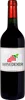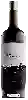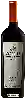
Winery Gimenez MendezAlta Reserva Pinot Noir
 Red wine



This wine generally goes well with pork, poultry or veal.

Food and wine pairings with Alta Reserva Pinot Noir
Pairings that work perfectly with Alta Reserva Pinot Noir



Original food and wine pairings with Alta Reserva Pinot Noir


The Alta Reserva Pinot Noir of Winery Gimenez Mendez matches generally quite well with dishes of veal, pork or game (deer, venison) such as recipes of beef bourguignon with cookéo, vegetable planter or whole duck casserole with white wine.
Details and technical informations about Winery Gimenez Mendez's Alta Reserva Pinot Noir.
Discover the grape variety: Pinot noir
Elegant reds, light in colour with silky tannins, showing strawberry, cherry and raspberry aromas, evolving to forest floor, mushroom and spice with age. Fresh acidity, delicate finish. Star of the Côte d'Or (Romanée-Conti, Chambertin, Volnay), pillar of Champagne (Blanc de Noirs) and signature of Oregon, Central Otago and Sonoma Coast. An early-ripening Burgundian variety, one of the world's greatest.
Last vintages of this wine
The best vintages of Alta Reserva Pinot Noir from Winery Gimenez Mendez are 2015, 2017, 2013, 0 and 2010.
Informations about the Winery Gimenez Mendez
The Winery Gimenez Mendez is one of of the world's great estates. It offers 97 wines for sale in the of Canelones to come and discover on site or to buy online.

The wine region of Canelones
Uruguay's main region north of Montevideo (~90% of national output). National star Tannat: powerful, structured reds with signature notes of blackberry, black plum, violet, leather, tobacco and spice, firm tannins and notable ageing potential — more Tannat planted here than in Madiran, its birthplace. Also round Merlot, peppery Cabernet Franc, spicy Syrah. Fresh saline Albarino whites.
The word of the wine: Maceration
Prolonged contact and exchange between the juice and the grape solids, especially the skin. Not to be confused with the time of fermentation, which follows maceration. The juice becomes loaded with colouring matter and tannins, and acquires aromas. For a rosé, the maceration is short so that the colour does not "rise" too much. For white wines too, a "pellicular maceration" can be practised, which allows the wine to acquire more fat.