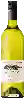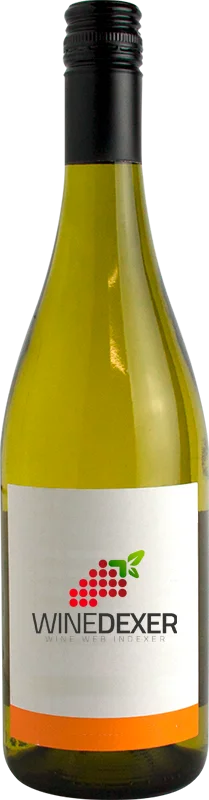
Winery Ghost RockOulton Chardonnay
 White wine
In the mouth this white wine is a powerful.
This wine generally goes well with pork, vegetarian or poultry.

Taste structure of the Oulton Chardonnay from the Winery Ghost Rock
Light | Bold | |
Dry | Sweet | |
Soft | Acidic |
In the mouth the Oulton Chardonnay of Winery Ghost Rock in the region of Tasmanie is a powerful.
Food and wine pairings with Oulton Chardonnay
Pairings that work perfectly with Oulton Chardonnay



Original food and wine pairings with Oulton Chardonnay

The Oulton Chardonnay of Winery Ghost Rock matches generally quite well with dishes of pork, rich fish (salmon, tuna etc) or vegetarian such as recipes of potato and bacon omelette, peppers stuffed with tuna and parmesan or spinach and goat cheese quiche.
Details and technical informations about Winery Ghost Rock's Oulton Chardonnay.
Discover the grape variety: Chardonnay
Whites with many faces: mineral and taut at Chablis (lemon, green apple, flint), opulent and buttery at Meursault and Puligny-Montrachet (hazelnut, brioche, yellow fruits), tense and chalky in Champagne (Blanc de Blancs). Also vinified sparkling and widely exported (Sonoma, Margaret River, Casablanca). A Burgundian variety, a cross of Pinot Noir × Gouais Blanc, half-sibling of Aligoté.
Informations about the Winery Ghost Rock
The Winery Ghost Rock is one of of the world's great estates. It offers 22 wines for sale in the of Tasmanie to come and discover on site or to buy online.

The wine region of Tasmanie
Cool austral island south of Australia, a cool-climate benchmark. Signature Pinot Noir: fine, fresh reds with notes of red cherry, raspberry, wild strawberry and spices, delicate tannins and taut acidity — often compared to Burgundy. Precise, mineral Chardonnay (lemon, brioche), vibrant dry Riesling. Renowned speciality: refined traditional-method sparklers, among the best outside France.
The word of the wine: Ancestral method
A method of making certain sparkling wines such as blanquette de Limoux, sparkling gaillac or clairette de Die, which consists of a second fermentation in the bottle based on natural sugars and yeasts naturally brought by the grapes (unlike the méthode champenoise, which requires the addition of tirage liquor).