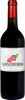
Winery GartelmannLiqueur Muscat
 Sweet wine
This wine generally goes well with spicy food and sweet desserts.

Wine flavors and olphactive analysis

Food and wine pairings with Liqueur Muscat
Pairings that work perfectly with Liqueur Muscat


Original food and wine pairings with Liqueur Muscat
The Liqueur Muscat of Winery Gartelmann matches generally quite well with dishes of spicy food or sweet desserts such as recipes of chicken with courgettes and curry or homemade cookies.
Details and technical informations about Winery Gartelmann's Liqueur Muscat.
Discover the grape variety: Magdeleine noire des Charentes
Light, fruity reds for early drinking with a clear ruby robe, silky tannins, airy palate and signature aromas of red fruits (cherry, raspberry) and subtle floral notes. Rare heritage variety. Near-extinct, surviving in a few plots in Charentes and Brittany, preserved in varietal collections for its scientific importance as confirmed ancestor of Merlot and Malbec (genetic studies, 2009).
Informations about the Winery Gartelmann
The Winery Gartelmann is one of of the world's great estates. It offers 25 wines for sale in the of Hunter Valley to come and discover on site or to buy online.

The wine region of Hunter Valley
Cradle of Australian viticulture (1825), 160 km north of Sydney. World signature: dry low-alcohol Sémillon (10-11°) with fresh citrus notes in youth, evolving after 10-15 years to candied lemon, toast, honey and beeswax, spectacular ageing. Medium-bodied "Hunter style" Shiraz, supple and earthy (leather, plum, sweet spices), capable of decades. Also Chardonnay and Verdelho.
The wine region of Nouvelle-Galles du Sud
Australia's 2nd wine state with diverse regions. Iconic Hunter Valley: a Sémillon unlike any other, straight, low-alcohol dry whites with vivid citrus when young, evolving over 10-20 years toward honey, toast and lanolin. Medium-bodied Hunter Shiraz, spicy and earthy (leather, red fruits). Also round Chardonnay and aromatic Verdelho.
The word of the wine: Yeast
Micro-organisms at the base of all fermentative processes. A wide variety of yeasts live and thrive naturally in the vineyard, provided that treatments do not destroy them. Unfortunately, their replacement by laboratory-selected yeasts is often the order of the day and contributes to the standardization of the wine. Yeasts are indeed involved in the development of certain aromas.