The Winery Finca Garabelos of Rías Baixas of Galice
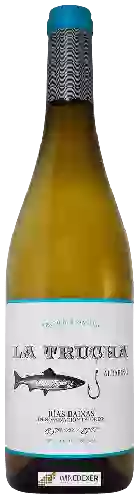
The Winery Finca Garabelos is one of the world's great estates. It offers 4 wines for sale in of Rías Baixas to come and discover on site or to buy online.
Looking for the best Winery Finca Garabelos wines in Rías Baixas among all the wines in the region? Check out our tops of the best red, white or effervescent Winery Finca Garabelos wines. Also find some food and wine pairings that may be suitable with the wines from this area. Learn more about the region and the Winery Finca Garabelos wines with technical and enological descriptions.
How Winery Finca Garabelos wines pair with each other generally quite well with dishes of pasta, shellfish or vegetarian such as recipes of seafood lasagna, shrimp in red sauce or cream and tuna quiche.
On the nose the white wine of Winery Finca Garabelos. often reveals types of flavors of pineapple, cream or grapefruit and sometimes also flavors of tropical, citrus or apples. In the mouth the white wine of Winery Finca Garabelos. is a with a nice freshness.
World benchmark for Albariño (~96% of the vineyard), Atlantic Galicia. Lively, saline dry whites with signature notes of grapefruit, white peach, exotic fruit, white flowers and a characteristic iodine touch, a mineral palate kept taut by Atlantic humidity — the perfect match for seafood, polbo á feira and shellfish. Vines sometimes on pergolas (parras). Also Treixadura and Loureira.
5 sub-zones including Val do Salnés. ~4,200 ha on granite.
Planning a wine route in the of Rías Baixas? Here are the wineries to visit and the winemakers to meet during your trip in search of wines similar to Winery Finca Garabelos.
Simple and fruity whites with a pale golden colour, a supple palate with moderate acidity and understated aromas of white fruits and hybrid notes. Productive and disease resistant. Grown in negligible quantities in France and Canada (Quebec) for continental-climate vineyards, bearing witness to the history of post-phylloxera French hybridization. Family of French hybrid varieties obtained by Jean-François Ravat in the early 20th century.