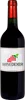
Winery Casa GaliottoAngelo Corte Tinto
 Red wine



This wine is a blend of 3 varietals which are the Cabernet-Sauvignon, the Tannat and the Merlot.
This wine generally goes well with poultry, beef or game (deer, venison).

Food and wine pairings with Angelo Corte Tinto
Pairings that work perfectly with Angelo Corte Tinto



Original food and wine pairings with Angelo Corte Tinto


The Angelo Corte Tinto of Winery Casa Galiotto matches generally quite well with dishes of beef, lamb or game (deer, venison) such as recipes of fillet of beef in a foie gras and truffle crust, lamb mouse with figs and grapes or potjevleesch (meat in a pot).
Details and technical informations about Winery Casa Galiotto's Angelo Corte Tinto.
Discover the grape variety: Cabernet-Sauvignon
Structured, tannic reds, deeply coloured, with aromas of blackcurrant, blackberry, cedar, tobacco and graphite, underpinned by firm acidity and fine ageing potential. Cornerstone of the great Médoc estates (Pauillac, Saint-Estèphe, Saint-Julien) and signature of Napa Valley, Coonawarra and Maipo. The world's most planted red variety, a natural cross of Cabernet Franc x Sauvignon Blanc born in Bordeaux.
Last vintages of this wine
The best vintages of Angelo Corte Tinto from Winery Casa Galiotto are 2012, 0
Informations about the Winery Casa Galiotto
The Winery Casa Galiotto is one of of the world's greatest estates. It offers 14 wines for sale in the of Serra Gaúcha to come and discover on site or to buy online.

The wine region of Serra Gaúcha
Brazil's wine capital, Rio Grande do Sul. Specialty: high-quality traditional-method sparklers, fine and fruity (apple, citrus, white flowers), elegant bubble, alpine expression of the south. Still wines mostly European: round fruity Merlot, firm Cabernet Sauvignon, more tannic Tannat, fresh Chardonnay, supple Riesling Italico, fine Pinot Noir. Marked by Italian immigration in 1875, humid climate tempered by altitude.
The wine region of Rio Grande do Sul
Brazil's winemaking heart (~80% of production), Italian tradition. Recognised specialty: traditional-method sparkling wines (espumantes), fresh and fruity, based on Chardonnay and Pinot Noir, among South America's finest. Accessible reds: supple, fruity Merlot (plum, cherry), fleshy Cabernet Sauvignon, dense, tannic Tannat. Round Chardonnay, light Riesling Italico, sweet, floral Moscato whites.
The word of the wine: Oenologist
Specialist in wine-making techniques. It is a profession and not a passion: one can be an oenophile without being an oenologist (and the opposite too!). Formerly attached to the Faculty of Pharmacy, oenology studies have become independent and have their own university course. Learning to make wine requires a good chemical background but also, increasingly, a good knowledge of the plant. Some oenologists work in laboratories (analysis). Others, the consulting oenologists, work directly in the properties.