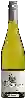
Winery Fukuyama Wako StudioSauvignon Blanc
 White wine


This wine generally goes well with vegetarian, rich fish (salmon, tuna etc) or shellfish.

Food and wine pairings with Sauvignon Blanc
Pairings that work perfectly with Sauvignon Blanc



Original food and wine pairings with Sauvignon Blanc
The Sauvignon Blanc of Winery Fukuyama Wako Studio matches generally quite well with dishes of rich fish (salmon, tuna etc), shellfish or vegetarian such as recipes of sea sauerkraut with white wine, paella de marisco (seafood paella) or zucchini and goat cheese quiche.
Details and technical informations about Winery Fukuyama Wako Studio's Sauvignon Blanc.
Discover the grape variety: Hondarrabi Zuri
Lively dry whites, lightly pétillant with a pale golden colour, taut palate and razor-sharp acidity, with signature aromas of citrus (lime, grapefruit), green apple, white flowers and saline marine notes. A thirst-quenching Atlantic profile to drink young. Absolute star of the Txakoli appellations (Getariako Txakolina DO, Bizkaiko Txakolina DO), signing traditional Basque txakoli. An indigenous Basque white variety, grown in the Spanish Basque Country.
Last vintages of this wine
The best vintages of Sauvignon Blanc from Winery Fukuyama Wako Studio are 0
Informations about the Winery Fukuyama Wako Studio
The Winery Fukuyama Wako Studio is one of of the world's greatest estates. It offers 4 wines for sale in the of Yamanashi-ken to come and discover on site or to buy online.

The wine region of Yamanashi-ken
Japanese winemaking heart at the foot of Mount Fuji, signature in Koshu. Identity-driven native white (~90% of Japanese plantings): delicate, precise dry whites with notes of citrus (yuzu, lime), green apple, white flowers and a slightly saline finish, low alcohol and great freshness. Ideal with sushi and Japanese cuisine. Also Chardonnay and Merlot in the altitude zones of Akeno.
The word of the wine: Girl
Equivalent of the Lyon pot with a capacity of 29 cl.