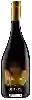
Winery FranzoniChardonnay Frizzante
 wine
wine
This wine generally goes well with
The Chardonnay Frizzante of the Winery Franzoni is in the top 0 of wines of Botticino.
Details and technical informations about Winery Franzoni's Chardonnay Frizzante.
Discover the grape variety: La Crescent
A direct-producer hybrid of American origin resulting from an interspecific cross between Saint Pepin and Elmer Swenson 6-8-25 (vitis riparia X Hamburg muscatel) obtained in 1988 by Peter Hemstad and James Luby at the University of Minnesota Research Center (United States). It can also be found in Canada, Ukraine, Russia, etc. and is virtually unknown in France.
Informations about the Winery Franzoni
The Winery Franzoni is one of of the world's greatest estates. It offers 12 wines for sale in the of Botticino to come and discover on site or to buy online.

The wine region of Botticino
The wine region of Botticino is located in the region of Lombardie of Italy. Wineries and vineyards like the Domaine Tognazzi or the Domaine Noventa produce mainly wines red. The most planted grape varieties in the region of Botticino are Marzemino, Sangiovese and Cabernet-Sauvignon, they are then used in wines in blends or as a single variety. On the nose of Botticino often reveals types of flavors of oak, red fruit or black fruit.
The wine region of Lombardia
Lombardy is one of Italy's largest and most populous regions, located in the north-central Part of the country. It's home to a handful of popular and well-known wine styles, including the Bright, cherry-scented Valtellina and the high-quality Sparkling wines Franciacorta and Oltrepo Pavese Metodo Classico. Lombardy is Italy's industrial powerhouse, with the country's second largest city (Milan) as its regional capital. Despite this, the region has vast tracts of unspoiled countryside, home to many small wineries that produce a significant portion of the region's annual wine production of 1.
The word of the wine: Filling
Gentle transfer from one barrel to another to oxygenate the wine, eliminate some of the lees and reduce the carbon dioxide (fizz) that was released during the fermentations.