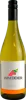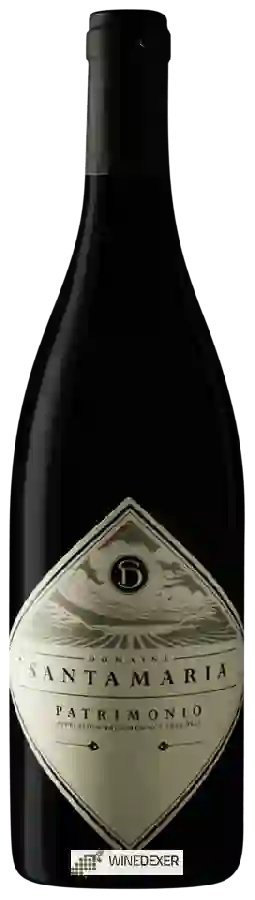
Domaine SantamariaPatrimonio Blanc
 White wine



This wine generally goes well with
The Patrimonio Blanc of the Domaine Santamaria is in the top 90 of wines of Patrimonio.

Details and technical informations about Domaine Santamaria's Patrimonio Blanc.
Discover the grape variety: Trajadura
Structured, aromatic dry whites with a pale golden robe, an ample palate and moderate acidity, with signature aromas of citrus (lemon), white-fleshed fruits (pear, apple), white flowers and mineral notes. Brings body and structure to blends. A traditional component of Vinho Verde DOC (Portugal) and Rías Baixas DO (Galicia), blended with Alvarinho/Albariño and Loureiro. Autochthonous Portuguese and Galician variety, identical to Treixadura.
Last vintages of this wine
The best vintages of Patrimonio Blanc from Domaine Santamaria are 2018, 2017
Informations about the Domaine Santamaria
The Domaine Santamaria is one of of the world's greatest estates. It offers 11 wines for sale in the of Patrimonio to come and discover on site or to buy online.

The wine region of Patrimonio
First Corsican AOC around the Gulf of Saint-Florent at Cap Corse, clay-limestone soils (rare in Corsica), Mediterranean climate. Niellucciu signature red king (Sangiovese cousin, 90% min): deep and fresh with black cherry, blackberry, plum, garrigue, maquis herbs, leather and spices, firm tannins and sunny palate. Gourmet rosés (75% min Niellucciu): strawberry, citrus, garrigue. Vermentinu in white only authorized: full and saline (pear, flowers, almond).
The wine region of Corsica
Mediterranean island wine region with a triple native face, ~8,000 ha. Niellucciu signature (cousin of Sangiovese) dominates Patrimonio: structured reds with signature notes of black cherry, garrigue, maquis, spices and leather, firm tannins and sun-drenched mouth. Sciaccarellu (min. 60% in Ajaccio) lighter and peppery (strawberry, wild herbs).
The word of the wine: Maceration
Prolonged contact and exchange between the juice and the grape solids, especially the skin. Not to be confused with the time of fermentation, which follows maceration. The juice becomes loaded with colouring matter and tannins, and acquires aromas. For a rosé, the maceration is short so that the colour does not "rise" too much. For white wines too, a "pellicular maceration" can be practised, which allows the wine to acquire more fat.