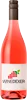
Domaine Le Clos de BellevueSaint-Christol Rosé
 Pink wine
In the mouth this pink wine is a with a nice freshness.
This wine generally goes well with vegetarian, appetizers and snacks or lean fish.

Taste structure of the Saint-Christol Rosé from the Domaine Le Clos de Bellevue
Light | Bold | |
Dry | Sweet | |
Soft | Acidic |
In the mouth the Saint-Christol Rosé of Domaine Le Clos de Bellevue in the region of Languedoc-Roussillon is a with a nice freshness.
Food and wine pairings with Saint-Christol Rosé
Pairings that work perfectly with Saint-Christol Rosé



Original food and wine pairings with Saint-Christol Rosé


The Saint-Christol Rosé of Domaine Le Clos de Bellevue matches generally quite well with dishes of pasta, vegetarian or appetizers and snacks such as recipes of pasta with parmesan cream and ham, cream and tuna quiche or fried onions.
Details and technical informations about Domaine Le Clos de Bellevue's Saint-Christol Rosé.
Discover the grape variety: Zinfandel
Generous, high-alcohol reds with a dark robe and indulgent palate, showing aromas of stewed blackberry, raspberry, black pepper, liquorice, cinnamon and cooked fruit. Also vinified as a popular sweet rosé (White Zinfandel). Star of California (Lodi, Sonoma, Dry Creek Valley, Paso Robles) with sought-after century-old vines. Identical to Italian Primitivo and Croatian Crljenak Kaštelanski by DNA analysis.
Informations about the Domaine Le Clos de Bellevue
The Domaine Le Clos de Bellevue is one of of the world's greatest estates. It offers 11 wines for sale in the of Saint-Christol to come and discover on site or to buy online.

The wine region of Saint-Christol
AOC Languedoc east of Montpellier (230 ha, 50–100 m, varied terrain of rounded galets, alluvium and clay sometimes on the same plot, a warm Mediterranean climate with cool nights under maritime influence). Grenache, Mourvèdre and Syrah are the sole red kings in blends: generous with black pepper, ripe candied fruits and a tannic structure suited to long ageing. Carignan, Cinsault, Counoise, Morrastel and Piquepoul Noir as complementary varieties.
The wine region of Languedoc-Roussillon
Largest single French vineyard, dominated by sunny, generous reds. Spicy Syrah, candied Grenache (ripe fruit, garrigue), structured Carignan, deep Mourvèdre, supple Cinsault. Stars: structured Corbières, Minervois, Faugères, Saint-Chinian; round Côtes-du-Roussillon. Legendary vins doux naturels: Banyuls and Maury (fortified Grenache) with notes of cocoa, fig, prune.
The word of the wine: Malolactic fermentation
Called second fermentation or malo for short. It is the degradation (under the effect of bacteria) of the malic acid naturally present in the wine into milder, less aggressive lactic acid. Some producers or wineries refuse this operation by "blocking the malo" (by cold and adding SO2) to keep a maximum of acidity which carries the aromas and accentuates the sensation of freshness.