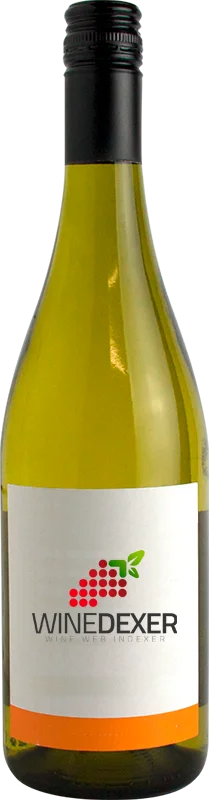
Domaine EngelSylvaner Tradition
 White wine
In the mouth this white wine is a with a nice freshness.
This wine generally goes well with pork, vegetarian or poultry.
Taste structure of the Sylvaner Tradition from the Domaine Engel
Light | Bold | |
Dry | Sweet | |
Soft | Acidic |
In the mouth the Sylvaner Tradition of Domaine Engel in the region of Alsace is a with a nice freshness.
Food and wine pairings with Sylvaner Tradition
Pairings that work perfectly with Sylvaner Tradition



Original food and wine pairings with Sylvaner Tradition


The Sylvaner Tradition of Domaine Engel matches generally quite well with dishes of veal, pork or vegetarian such as recipes of roasted stuffed goose with mushroom sauce, light stuffed tomatoes or summer tuna quiche.
Details and technical informations about Domaine Engel's Sylvaner Tradition.
Discover the grape variety: Sylvaner
The sylvaner is grown mainly in Germany and Alsace. The buds are somewhat cottony and the young leaves are green. The same applies to the ribbed branches. Once mature, the dominant colour is golden-green and small elliptical berries with small to medium-sized bunches can be seen. The ripe fruit is then adorned by five-lobed leaves. This variety is susceptible to chlorosis, gray mold, powdery mildew and mildew. It is also sensitive to frost and wind because of its long branches. It can be grown in any kind of soil, although it prefers stony, sandy and light soils. It is indeed moderately acidic and offers a complex set of aromas such as bitter almond, fruity and floral background. The taste has an excellent mixture of honey and candied or dried fruits.
Informations about the Domaine Engel
The Domaine Engel is one of of the world's great estates. It offers 46 wines for sale in the of Alsace to come and discover on site or to buy online.

The wine region of Alsace
Alsace, located in the extreme north-east of France, is Distinguished from other French wine regions by its strong Franco-Germanic influences. These influences are the result of a back-and-forth between the German and French sovereignties over the last few centuries. They can be seen not only in the architecture and culture of Alsace, but also in the wines. Alsace wines are produced under three main appellations: Alsace and Alsace Grand Cru for still white wines (Sweet and Dry), and Crémant d'Alsace for Sparkling wines.
The word of the wine: Concentrate
Said of a wine that is rich in all its components (sugars in sweet wines, tannins in red wines, aromatic compounds) and that leaves an impression of density, intensity and depth.