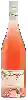
Domaine des HerbaugesLe Chant Baron Rosé !
 Pink wine
This wine is a blend of 2 varietals which are the Grolleau and the Gamay noir.
This wine generally goes well with beef
The Le Chant Baron Rosé ! of the Domaine des Herbauges is in the top 40 of wines of Val de Loire.

Food and wine pairings with Le Chant Baron Rosé !
Pairings that work perfectly with Le Chant Baron Rosé !

Original food and wine pairings with Le Chant Baron Rosé !
The Le Chant Baron Rosé ! of Domaine des Herbauges matches generally quite well with dishes of lamb, rich fish (salmon, tuna etc) or poultry such as recipes of lamb sweetbreads with white wine and sorrel cream, raw salmon marinade with vinegars or stuffed peppers.
Details and technical informations about Domaine des Herbauges's Le Chant Baron Rosé !.
Discover the grape variety: Grolleau
Vibrant and fruity rosés with a pale salmon colour, a tender palate and fresh acidity, on aromas of strawberry, raspberry, redcurrant, candy and spring flowers. Light and thirst-quenching finish. Star of Rosé d'Anjou AOC (a pleasing off-dry rosé) and backbone of Loire and Touraine rosés. Occasionally vinified as light reds and sparkling rosés. Native Loire grape from Anjou and Touraine, once the most widely planted variety in Anjou before Cabernet Franc.
Informations about the Domaine des Herbauges
The Domaine des Herbauges is one of of the world's great estates. It offers 55 wines for sale in the of Val de Loire to come and discover on site or to buy online.

The wine region of Val de Loire
France's most diverse vineyard, 800 km along the Loire (~48,300 ha). Flagship whites: lively, mineral Sauvignon from Sancerre-Pouilly (citrus, boxwood, gunflint), Loire Chenin from vibrant dry to noble sweet wines (quince, honey, taut acidity), Melon de Bourgogne of saline Muscadet on lees. Cabernet Franc reds (Chinon, Bourgueil, Saumur-Champigny): raspberry, bell pepper, graphite, silky tannins. Sparkling Cremants with brioche-apple notes.
The word of the wine: Bleeding
Old practice for red wines. As soon as the vat is filled with grapes, the tap is opened. A sweet but clear juice escapes from the vat (it can also be used to make rosé). The colour and density of the juice is enhanced, but it should not be overdone. Rarely more than 10% of the volume of a vat, otherwise you risk losing fruit and bringing in bitterness.