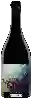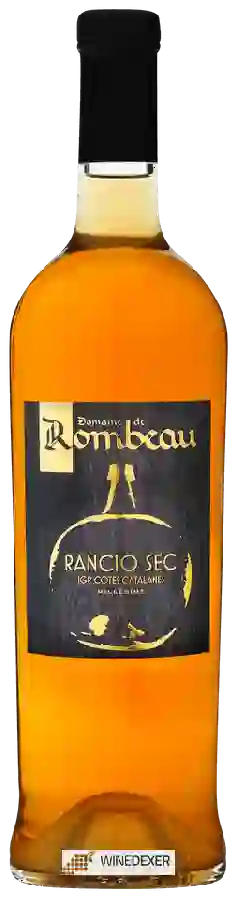
Domaine de RombeauRancio Sec
 Sweet wine
This wine generally goes well with beef and mature and hard cheese.

Food and wine pairings with Rancio Sec
Pairings that work perfectly with Rancio Sec


Original food and wine pairings with Rancio Sec
The Rancio Sec of Domaine de Rombeau matches generally quite well with dishes such as recipes .
Details and technical informations about Domaine de Rombeau's Rancio Sec.
Discover the grape variety: Magliocco Canino
Structured, intensely coloured reds with a deep ruby colour, firm tannins and dense palate, showing signature aromas of black fruits (blackberry, blackcurrant), plum, spices, Mediterranean garrigue and balsamic notes. Good Calabrian ageing potential. A traditional component of Calabrian blends and star of the Savuto DOC, defining the wine identity of southern Calabria. Native Italian black variety from Calabria, a parent of gaglioppo according to genetic analyses.
Informations about the Domaine de Rombeau
The Domaine de Rombeau is one of of the world's great estates. It offers 57 wines for sale in the of Côtes Catalanes to come and discover on site or to buy online.

The wine region of Côtes Catalanes
Expressive Roussillon heartland: signature Grenache Noir as the red king — fleshy and sunny with notes of ripe cherry, raspberry, garrigue, spices and a peppery touch, round tannins and generous alcohol on schist. Deep Syrah, dense Carignan and Mourvèdre as support. Grenache Gris/Blanc, Macabeu and Vermentino in round whites (fennel, citrus, flowers). Aromatic Muscats.
The wine region of Pays d'Oc
The single-grape IGP par excellence: modern, accessible, frank and fruity wines, the popular signature of the Midi. Spicy Syrah reds (pepper, blackberry), round Merlot, structured Cabernet, generous Grenache, supple Cinsault. Crisp, tangy rosés. Opulent Chardonnay whites, lively Sauvignon, floral, apricoty Viognier.
The word of the wine: Second fermentation
In the making of champagne, fermentation of the base wine to which is added the liqueur de tirage and which takes place in the bottle. This second fermentation produces the carbon dioxide, and therefore the bubbles that make up the effervescence of the wine.