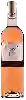
Château PlaisanceSortilège Premières Côtes de Bordeaux
 Red wine
This wine generally goes well with poultry, beef or veal.

Food and wine pairings with Sortilège Premières Côtes de Bordeaux
Pairings that work perfectly with Sortilège Premières Côtes de Bordeaux



Original food and wine pairings with Sortilège Premières Côtes de Bordeaux

The Sortilège Premières Côtes de Bordeaux of Château Plaisance matches generally quite well with dishes of beef, veal or game (deer, venison) such as recipes of stuffed beef rolls, mouse of lamb with thyme or oven roasted rabbit with mustard.
Details and technical informations about Château Plaisance's Sortilège Premières Côtes de Bordeaux.
Discover the grape variety: Bouquettraube
Aromatic sweet and off-dry whites with a pale golden robe, a fragrant and fresh palate with preserved acidity, intense signature musky aromas (fresh grapes, rose), white flowers and spiced notes. Seductive aromatic profile. Grown on small surfaces in Germany and South Africa, mainly serves for aromatic sweet and off-dry whites. German white grape obtained in 1928 in Alzey by Georg Scheu, a crossing of Silvaner x Portugieser.
Informations about the Château Plaisance
The Château Plaisance is one of of the world's greatest estates. It offers 11 wines for sale in the of Premières Côtes de Bordeaux to come and discover on site or to buy online.

The wine region of Premières Côtes de Bordeaux
Bordeaux AOC of great sweet whites on the Garonne's right bank facing Bordeaux: Sémillon signature as white king (~70%) — semi-sweet to liquorous botrytised wines with notes of honey, candied apricot, pineapple, quince, acacia, beeswax and a spicy touch, unctuous richness, ≥34 g/L residual sugar. Sauvignon and Muscadelle complete. AOC reserved for sweet whites since 2009, clay-limestone slopes, autumn mists favouring Botrytis cinerea.
The wine region of Bordeaux
World-renowned age-worthy reds, led by round Merlot (plum, black fruit) or firm Cabernet Sauvignon (blackcurrant, cedar, graphite), blended with Cabernet Franc and Petit Verdot for tannic structure. Structured Médoc and Graves, velvety Saint-Émilion and Pomerol. Also crisp dry whites (Sauvignon/Sémillon) and opulent sweet Sauternes with honey and candied fruit. A 110,000 ha Gironde vineyard, 65 appellations, cradle of the 1855 classified growths.
The word of the wine: Vinification of sweet wines
Moelleux and liquoreux wines are characterized by the presence of residual sugars (natural sugar of the grape), not transformed into alcohol under the effect of yeasts. The fermentation is stopped by cold and by the addition of sulphur dioxide (sulphur).