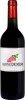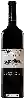
Winery Four HorsesAdam's Reserve Missouri Crimson Cabernet
 Red wine
This wine generally goes well with poultry, beef or lamb.

Food and wine pairings with Adam's Reserve Missouri Crimson Cabernet
Pairings that work perfectly with Adam's Reserve Missouri Crimson Cabernet



Original food and wine pairings with Adam's Reserve Missouri Crimson Cabernet

The Adam's Reserve Missouri Crimson Cabernet of Winery Four Horses matches generally quite well with dishes of beef, lamb or spicy food such as recipes of piglet shoulder with melting baked apples, leg of lamb in a casserole or chicken fajitas.
Details and technical informations about Winery Four Horses's Adam's Reserve Missouri Crimson Cabernet.
Discover the grape variety: Cabernet-Sauvignon
Structured, tannic reds, deeply coloured, with aromas of blackcurrant, blackberry, cedar, tobacco and graphite, underpinned by firm acidity and fine ageing potential. Cornerstone of the great Médoc estates (Pauillac, Saint-Estèphe, Saint-Julien) and signature of Napa Valley, Coonawarra and Maipo. The world's most planted red variety, a natural cross of Cabernet Franc x Sauvignon Blanc born in Bordeaux.
Informations about the Winery Four Horses
The Winery Four Horses is one of of the world's greatest estates. It offers 7 wines for sale in the of Missouri to come and discover on site or to buy online.

The wine region of Missouri
American Midwest vineyard, cradle of the first US AVA (Augusta, 1980, 8 months before Napa). Signature Norton/Cynthiana, the state's official grape and a native pride: dense, deeply coloured reds with signature notes of blackberry, candied black cherry, plum, coffee, leather and spices, firm tannins - fleshy age-worthy wines, robust against the humid continental climate. Also off-dry Vidal Blanc (citrus, honey), fruity red Chambourcin, peppery Cabernet Franc, lively Seyval Blanc.
The word of the wine: Disgorging (champagne)
This is the evacuation of the deposit formed by the yeasts during the second fermentation in the bottle, by opening the bottle. The missing volume is completed with the liqueur de dosage - a mixture of wine and cane sugar - before the final cork is placed. For some years now, some producers have been replacing this sugar with rectified concentrated musts (concentrated grape juice) which give excellent results. A too recent dosage (less than three months) harms the gustatory harmony of the champagne.