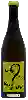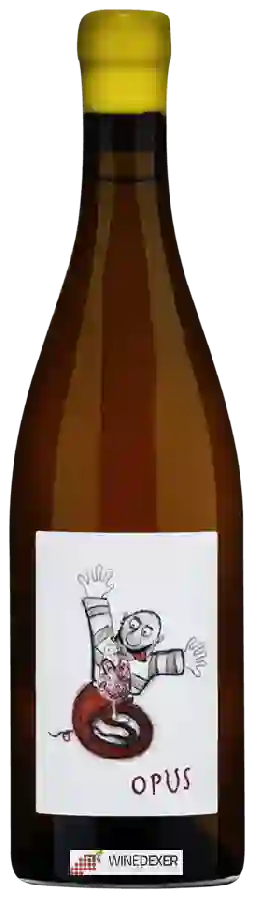
Domaine FouassierOpus
 White wine
This wine generally goes well with vegetarian, rich fish (salmon, tuna etc) or shellfish.

Food and wine pairings with Opus
Pairings that work perfectly with Opus



Original food and wine pairings with Opus
The Opus of Domaine Fouassier matches generally quite well with dishes of rich fish (salmon, tuna etc), shellfish or vegetarian such as recipes of congolese pondu, californian sushi (reverse maki) or leek, goat cheese and bacon quiche.
Details and technical informations about Domaine Fouassier's Opus.
Discover the grape variety: Verdeca
Lively, refreshing whites with a pale robe, lean palate and fresh acidity. Delicate aromas of citrus (lemon, grapefruit), green apple, white flowers, fresh almond and saline mineral notes. Light finish, best drunk young. Star of Locorotondo DOC and Martina Franca DOC in the Itria Valley at the heart of Puglia; long used for vermouths. Native Apulian variety, identical to the Greek Lagorthi according to recent DNA analysis.
Informations about the Domaine Fouassier
The Domaine Fouassier is one of of the world's great estates. It offers 35 wines for sale in the of Vin de Pays to come and discover on site or to buy online.

The wine region of Vin de Pays
Intermediate category between AOC and Vin de France (renamed IGP in 2009), 27% of national volume. Accessible, expressive wines defined by their grape: opulent Chardonnay, lively Sauvignon, round Merlot, peppery Syrah, floral Viognier with apricot. 76 IGP in France at 3 scales: regional (Pays d'Oc, Méditerranée, Val de Loire), departmental or local. Flexible rules, wide range of permitted grapes, free grape and vintage labelling.
The wine region of Pays d'Oc
The single-grape IGP par excellence: modern, accessible, frank and fruity wines, the popular signature of the Midi. Spicy Syrah reds (pepper, blackberry), round Merlot, structured Cabernet, generous Grenache, supple Cinsault. Crisp, tangy rosés. Opulent Chardonnay whites, lively Sauvignon, floral, apricoty Viognier.
The word of the wine: Flavours
There are generally four so-called fundamental flavours: acidity, bitterness, sweetness and saltiness. The first three are considered to be the building blocks of the structure of wines. They are perceived by the taste buds that cover the surface of the tongue.