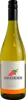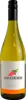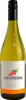
Winery Fossil & FawnChardonnay
 White wine


In the mouth this white wine is a powerful.
This wine generally goes well with pork, vegetarian or poultry.
Taste structure of the Chardonnay from the Winery Fossil & Fawn
Light | Bold | |
Dry | Sweet | |
Soft | Acidic |
In the mouth the Chardonnay of Winery Fossil & Fawn in the region of Oregon is a powerful.
Wine flavors and olphactive analysis



On the nose the Chardonnay of Winery Fossil & Fawn in the region of Oregon often reveals types of flavors of earth, microbio or tree fruit and sometimes also flavors of citrus fruit, tropical fruit.
Food and wine pairings with Chardonnay
Pairings that work perfectly with Chardonnay



Original food and wine pairings with Chardonnay

The Chardonnay of Winery Fossil & Fawn matches generally quite well with dishes of pork, rich fish (salmon, tuna etc) or vegetarian such as recipes of roast pork orloff, red mullet, mackerel, tuna, salmon sushi or quiche without pastry.
Details and technical informations about Winery Fossil & Fawn's Chardonnay.
Discover the grape variety: Chardonnay
The white Chardonnay is a grape variety that originated in France (Burgundy). It produces a variety of grape specially used for wine making. It is rare to find this grape to eat on our tables. This variety of grape is characterized by small bunches, and small grapes. White Chardonnay can be found in many vineyards: South West, Burgundy, Jura, Languedoc & Roussillon, Cognac, Bordeaux, Beaujolais, Savoie & Bugey, Loire Valley, Champagne, Rhone Valley, Armagnac, Lorraine, Alsace, Provence & Corsica.
Last vintages of this wine
The best vintages of Chardonnay from Winery Fossil & Fawn are 2018, 0
Informations about the Winery Fossil & Fawn
The Winery Fossil & Fawn is one of of the world's greatest estates. It offers 13 wines for sale in the of Oregon to come and discover on site or to buy online.

The wine region of Oregon
Oregon, located in the Pacific Northwest of the United States, is one of the youngest and most promising wine regions in the world. The state put itself on the international wine map in the late 1960s and has been building its position ever since. Production volumes have remained relatively quiet. The 2017 Oregon Vineyards and Wineries report recorded just under 34,000 acres (13,750 hectares) of planted vineyards.
The word of the wine: Apogee
This period varies greatly depending on the type of wine and the vintage, and corresponds to the optimum quality of a wine. After the peak comes the decline.