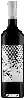
The Winery Forma de Arte of Ribatejo of Tejo
The Winery Forma de Arte is one of the world's great estates. It offers 5 wines for sale in of Ribatejo to come and discover on site or to buy online.
Looking for the best Winery Forma de Arte wines in Ribatejo among all the wines in the region? Check out our tops of the best red, white or effervescent Winery Forma de Arte wines. Also find some food and wine pairings that may be suitable with the wines from this area. Learn more about the region and the Winery Forma de Arte wines with technical and enological descriptions.
How Winery Forma de Arte wines pair with each other generally quite well with dishes of beef, pasta or veal such as recipes of traditional flemish carbonades, pasta with tuna and tomato or alsatian wine pie.
On the nose the red wine of Winery Forma de Arte. often reveals types of flavors of non oak, earth or oak and sometimes also flavors of spices, red fruit or black fruit. In the mouth the red wine of Winery Forma de Arte. is a powerful.
The wine region of Ribatejo is located in the region of Tejo of Portugal. Wineries and vineyards like the Domaine Companhia das Lezírias or the Domaine Casa Cadaval produce mainly wines red, white and pink. The most planted grape varieties in the region of Ribatejo are Touriga nacional, Cabernet-Sauvignon and Fernao Pires, they are then used in wines in blends or as a single variety. On the nose of Ribatejo often reveals types of flavors of red fruit, tree fruit or dried fruit and sometimes also flavors of dark fruit, leather or tobacco.
In the mouth of Ribatejo is a powerful. We currently count 75 estates and châteaux in the of Ribatejo, producing 251 different wines in conventional, organic and biodynamic agriculture. The wines of Ribatejo go well with generally quite well with dishes of beef, pasta or veal.
Planning a wine route in the of Ribatejo? Here are the wineries to visit and the winemakers to meet during your trip in search of wines similar to Winery Forma de Arte.
Interspecific crossing between the 101-14 Millardet and Grasset (vitis riparia X vitis rupestris) and the goldriesling obtained by Eugène Kühlmann (1858-1932) around 1911 and marketed around 1921. With these same parents, he obtained among others the Maréchal Foch. Léon Millot is still found in Canada, the United States, Switzerland, Germany, Belgium, Denmark, Sweden, the Netherlands, Poland and England. In France, where it was grown for a long time in Alsace, it is no longer grown in the vineyards, although it is listed in the Official Catalogue of Vine Varieties, list A.