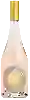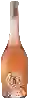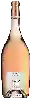
Château de FontcreuseLe Rosé Bio
 Pink wine
In the mouth this pink wine is a with a nice freshness.
This wine generally goes well with pork, vegetarian or poultry.

Taste structure of the Le Rosé Bio from the Château de Fontcreuse
Light | Bold | |
Dry | Sweet | |
Soft | Acidic |
In the mouth the Le Rosé Bio of Château de Fontcreuse in the region of Provence is a with a nice freshness.
Food and wine pairings with Le Rosé Bio
Pairings that work perfectly with Le Rosé Bio



Original food and wine pairings with Le Rosé Bio

The Le Rosé Bio of Château de Fontcreuse matches generally quite well with dishes of pork, shellfish or vegetarian such as recipes of kale soup, shrimp in coconut milk curry or salmon and goat cheese quiche.
Details and technical informations about Château de Fontcreuse's Le Rosé Bio.
Discover the grape variety: Bical
Lively, structured dry whites with a pale golden robe, a taut palate and a signature high acidity, with refined aromas of citrus (lemon, grapefruit), green apple, white flowers (acacia) and mineral notes. Fine ageing potential, bringing freshness and length to blends. A traditional component of the sparkling wines (espumantes) of Bairrada and dry whites of Dão DOC. Autochthonous Portuguese white variety from Bairrada and Dão.
Informations about the Château de Fontcreuse
The Château de Fontcreuse is one of of the world's greatest estates. It offers 10 wines for sale in the of Provence to come and discover on site or to buy online.

The wine region of Provence
World capital of dry, refined rosé (~90% of production). Pale rose-petal colour, delicate nose of fresh red fruits (strawberry, raspberry, redcurrant), citrus (pink grapefruit), white flowers and a mineral touch, taut and thirst-quenching palate — the Mediterranean aperitif par excellence. Blends of Grenache, Cinsault, Syrah, Tibouren and Mourvèdre. Fleshy Bandol reds from Mourvèdre (leather, garrigue, age-worthy), straight Cassis whites.
The word of the wine: Imperial
Bottle with a capacity of 6 liters (synonym of mathusalem).