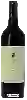
Winery Fleur de CazeauSaint-Émilion
 Red wine


In the mouth this red wine is a powerful with a nice balance between acidity and tannins.
This wine generally goes well with poultry, beef or game (deer, venison).

Taste structure of the Saint-Émilion from the Winery Fleur de Cazeau
Light | Bold | |
Smooth | Tannic | |
Dry | Sweet | |
Soft | Acidic |
In the mouth the Saint-Émilion of Winery Fleur de Cazeau in the region of Bordeaux is a powerful with a nice balance between acidity and tannins.
Wine flavors and olphactive analysis



On the nose the Saint-Émilion of Winery Fleur de Cazeau in the region of Bordeaux often reveals types of flavors of earth, microbio.
Food and wine pairings with Saint-Émilion
Pairings that work perfectly with Saint-Émilion



Original food and wine pairings with Saint-Émilion

The Saint-Émilion of Winery Fleur de Cazeau matches generally quite well with dishes of beef, lamb or game (deer, venison) such as recipes of oxtail with seed sauce, irish stew or veal blanquette à l'ancienne.
Details and technical informations about Winery Fleur de Cazeau's Saint-Émilion.
Discover the grape variety: Menoir
Supple, fruity reds with a clear ruby robe, smooth tannins and an airy palate, delivering signature aromas of red fruits (cherry, strawberry), white flowers and brioche notes in Champagne blends. Adds freshness, fruitiness and roundness. Essential component of Champagne AOC (notably Vallée de la Marne and Aube), balancing Pinot Noir and Chardonnay. Synonym for Pinot Meunier, a native French black grape of Champagne, a woolly-leafed mutation of Pinot Noir.
Last vintages of this wine

The best vintages of Saint-Émilion from Winery Fleur de Cazeau are 2012, 2009, 2011, 2010
Informations about the Winery Fleur de Cazeau
The Winery Fleur de Cazeau is one of of the world's greatest estates. It offers 9 wines for sale in the of Saint-Émilion to come and discover on site or to buy online.

The wine region of Saint-Émilion
Jewel of Bordeaux's right bank: signature Merlot reigns in reds (~60%) — charming and velvety with notes of plum, black cherry, blackberry, chocolate, liquorice and a smoky-leather touch, round tannins and lush texture. Cabernet Franc (~30%) complements (wild strawberry, blackcurrant, violet), firm Cabernet Sauvignon in a touch. Age-worthy aromas (undergrowth, truffle). Legendary AOC (1955, UNESCO 1999), Grands Crus Classés, asteriated limestone and clays.
The wine region of Bordeaux
World-renowned age-worthy reds, led by round Merlot (plum, black fruit) or firm Cabernet Sauvignon (blackcurrant, cedar, graphite), blended with Cabernet Franc and Petit Verdot for tannic structure. Structured Médoc and Graves, velvety Saint-Émilion and Pomerol. Also crisp dry whites (Sauvignon/Sémillon) and opulent sweet Sauternes with honey and candied fruit. A 110,000 ha Gironde vineyard, 65 appellations, cradle of the 1855 classified growths.
The word of the wine: Skinny
Thin and lacking in substance in the mouth.