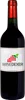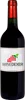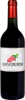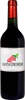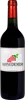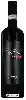
Winery Fiore RomanoVeseri Rosso
 Red wine



In the mouth this red wine is a powerful.
This wine generally goes well with beef, lamb or pasta.

Taste structure of the Veseri Rosso from the Winery Fiore Romano
Light | Bold | |
Smooth | Tannic | |
Dry | Sweet | |
Soft | Acidic |
In the mouth the Veseri Rosso of Winery Fiore Romano in the region of Campania is a powerful.
Food and wine pairings with Veseri Rosso
Pairings that work perfectly with Veseri Rosso



Original food and wine pairings with Veseri Rosso
The Veseri Rosso of Winery Fiore Romano matches generally quite well with dishes of beef, pasta or lamb such as recipes of baked lasagna, cannelloni chicken, pepper and mozzarella or lamb tagine with prunes and almonds.
Details and technical informations about Winery Fiore Romano's Veseri Rosso.
Discover the grape variety: Fredonia
Simple reds with a characteristic foxy taste, a sustained ruby colour, supple tannins and a light palate, featuring red fruit aromas (strawberry) and typical labrusca notes (foxy, wild raspberry). Early ripening and cold resistant. Grown in the north-eastern United States (New York) and Ontario for grape juice, simple wines (Concord-like) and fresh consumption. American black hybrid derived from Vitis labrusca, obtained around 1915 in New York State.
Last vintages of this wine
The best vintages of Veseri Rosso from Winery Fiore Romano are 0
Informations about the Winery Fiore Romano
The Winery Fiore Romano is one of of the world's great estates. It offers 21 wines for sale in the of Campania to come and discover on site or to buy online.

The wine region of Campania
Cradle of southern Italy's great wines on volcanic soils. Majestic Aglianico in red: structured, deep and tannic with notes of black cherry, candied plum, leather and spices, sublimated in age-worthy Taurasi DOCG, the "Barolo of the south". Identity whites of Irpinia: opulent Fiano di Avellino (honey, hazelnut), mineral iodine Greco di Tufo, aromatic Falanghina (peach, flowers). Also supple Piedirosso.
The word of the wine: Aging on lees
Maturing on the lees enhances the stability, aromatic complexity and texture of white wines, which gain in body and volume. This phenomenon is induced by autolysis, the process of self-degradation of the lees.