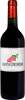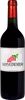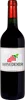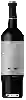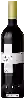
Winery Finca La AnitaLuna Syrah
 Red wine



In the mouth this red wine is a powerful with a nice balance between acidity and tannins.
This wine generally goes well with poultry, beef or game (deer, venison).
The Luna Syrah of the Winery Finca La Anita is in the top 30 of wines of Mendoza.

Taste structure of the Luna Syrah from the Winery Finca La Anita
Light | Bold | |
Smooth | Tannic | |
Dry | Sweet | |
Soft | Acidic |
In the mouth the Luna Syrah of Winery Finca La Anita in the region of Mendoza is a powerful with a nice balance between acidity and tannins.
Food and wine pairings with Luna Syrah
Pairings that work perfectly with Luna Syrah



Original food and wine pairings with Luna Syrah

The Luna Syrah of Winery Finca La Anita matches generally quite well with dishes of beef, lamb or game (deer, venison) such as recipes of chili con carne, pasta with merguez or wild boar stew marinated in red wine.
Details and technical informations about Winery Finca La Anita's Luna Syrah.
Discover the grape variety: Ahmeur bou A(h)meur
Table grape with large bunches and juicy, crunchy grey-pink berries, firm flesh and pleasant sweet flavour. Late ripening, sensitive to winter frost. Rarely vinified; grown mainly as a table grape in warm regions and on trellises beside Mediterranean homes. Still found in North Africa, California, Argentina, Spain and Portugal. Grey variety of probable North African or Spanish origin.
Last vintages of this wine
The best vintages of Luna Syrah from Winery Finca La Anita are 2006, 2018, 2017, 0 and 2016.
Informations about the Winery Finca La Anita
The Winery Finca La Anita is one of of the world's great estates. It offers 58 wines for sale in the of Mendoza to come and discover on site or to buy online.

The wine region of Mendoza
World capital of Malbec: powerful, deep reds with blackberry, plum, violet and sweet spice, round tannins and vivid fruit. Also firm Cabernet Sauvignon, supple, juicy Bonarda, aromatic floral white Torrontés. High-altitude vineyards (800-1,700 m) at the foot of the Andes, dry continental climate irrigated by glacial waters. ~80% of Argentine output across 150,000 ha.
The word of the wine: Grey (wine)
Wine obtained by vinifying white grapes with coloured skin (black or grey), by direct pressing, without maceration. It is a rosé with very little colour.