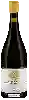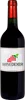
Château La FayanceLuberon
 Red wine
This wine is a blend of 2 varietals which are the Cabernet-Sauvignon and the Merlot.
This wine generally goes well with poultry, beef or game (deer, venison).
Food and wine pairings with Luberon
Pairings that work perfectly with Luberon



Original food and wine pairings with Luberon


The Luberon of Château La Fayance matches generally quite well with dishes of beef, lamb or game (deer, venison) such as recipes of roast monkfish with bacon, couscous of meat and fish or turnip confit with parma cheese.
Details and technical informations about Château La Fayance's Luberon.
Discover the grape variety: Cabernet-Sauvignon
Cabernet-Sauvignon noir is a grape variety that originated in France (Bordeaux). It produces a variety of grape specially used for wine making. It is rare to find this grape to eat on our tables. This variety of grape is characterized by small bunches, and small grapes. Cabernet-Sauvignon noir can be found in many vineyards: South-West, Loire Valley, Languedoc & Roussillon, Cognac, Bordeaux, Armagnac, Rhone Valley, Provence & Corsica, Savoie & Bugey, Beaujolais.
Informations about the Château La Fayance
The Château La Fayance is one of of the world's greatest estates. It offers 1 wines for sale in the of Rhone Valley to come and discover on site or to buy online.

The wine region of Rhone Valley
The Rhone Valley is a key wine-producing region in Southeastern France. It follows the North-south course of the Rhône for nearly 240 km, from Lyon to the Rhône delta (Bouches-du-Rhône), near the Mediterranean coast. The Length of the valley means that Rhône wines are the product of a wide variety of soil types and mesoclimates. The viticultural areas of the region cover such a distance that there is a widely accepted division between its northern and southern parts.
The word of the wine: Primeur
Said of wines from the last vintage and, by extension, wines of the year, fruity and easy-drinking, put on sale on the third Thursday in November. The AOC regulations specify that a wine is said to be primeur if it is bottled before the spring, and nouveau if it is bottled before the following harvest. Beaujolais Nouveau is therefore a vin primeur.