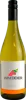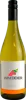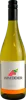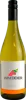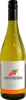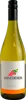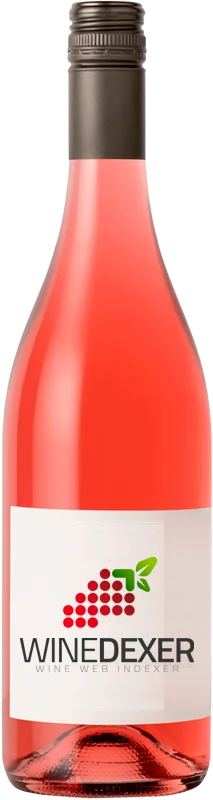
Winery Expert ClubSable de Camargue Rosé
 Pink wine


This wine generally goes well with vegetarian, appetizers and snacks or lean fish.
Food and wine pairings with Sable de Camargue Rosé
Pairings that work perfectly with Sable de Camargue Rosé



Original food and wine pairings with Sable de Camargue Rosé


The Sable de Camargue Rosé of Winery Expert Club matches generally quite well with dishes of pasta, vegetarian or appetizers and snacks such as recipes of pasta with broccoli, zucchini quiche or melon and cucumber gazpacho.
Details and technical informations about Winery Expert Club's Sable de Camargue Rosé.
Discover the grape variety: Charmont
Intraspecific crossing between Chasselas and Chardonnay, obtained in 1965 by Jean-Louis Simon and selected by André Jacquinet at the Agroscope Changins-Wädenswil research station (Switzerland). This grape variety is known and cultivated in Switzerland, but it can also be found in Hungary, Germany, Italy, etc., and is virtually unknown in France. With the same parents, Jean-Louis Simon also obtained the doral.
Last vintages of this wine
The best vintages of Sable de Camargue Rosé from Winery Expert Club are 0
Informations about the Winery Expert Club
The Winery Expert Club is one of wineries to follow in Sable de Camargue.. It offers 230 wines for sale in the of Sable de Camargue to come and discover on site or to buy online.

The wine region of Sable de Camargue
The wine region of Sable de Camargue is located in the region of Pays d'Oc of Vin de Pays of France. Wineries and vineyards like the Dune (Caveau Les Sablons) or the Domaine L'Ephémère des Embruns produce mainly wines pink, red and white. The most planted grape varieties in the region of Sable de Camargue are Merlot, Cabernet-Sauvignon and Chardonnay, they are then used in wines in blends or as a single variety. On the nose of Sable de Camargue often reveals types of flavors of cream, saline or pear and sometimes also flavors of honey, pineapple or tropical.
The wine region of Pays d'Oc
Pays d'Oc is the PGI for red, white and rosé wines that are produced over a wide area of the southern coast of France. The PGI catchment area corresponds roughly to the Languedoc-roussillon">Languedoc-Roussillon wine region, one of the largest wine regions in France. The area covers all wines that are not produced under the strict laws that govern AOC-level appellations in the regions: among them, Corbières, Minervois and the Languedoc appellation itself. The Pays d'Oc PGI is arguably the most important in France, producing the majority of the country's PGI wines.
The word of the wine: Draft liquor (champagne)
After blending, the wine is bottled with a liqueur de tirage (a mixture of sugar and wine) and a yeast (selected yeasts). The yeast attacks the sugar and creates carbon dioxide. The fermentation, which lasts about two months, is prolonged by an ageing period (15 months minimum in total). The bottle is capped (some rare vintages are capped with a staple and a cork).