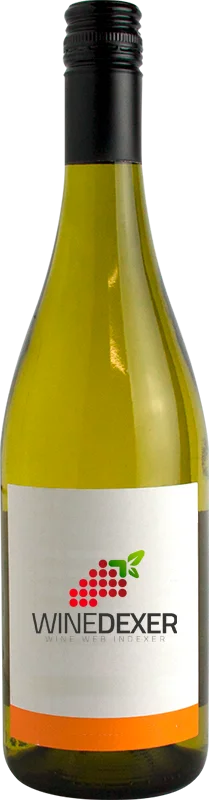
Winery Evampelos Ghi (Ευάμπελος Γη)Φιλοκτήτης (Filoktitis) White
 White wine



This wine is a blend of 2 varietals which are the Assyrtiko and the Chardonnay.
This wine generally goes well with pork, vegetarian or poultry.

Wine flavors and olphactive analysis



On the nose the Φιλοκτήτης (Filoktitis) White of Winery Evampelos Ghi (Ευάμπελος Γη) in the region of Continental Greece often reveals types of flavors of earth, tree fruit or citrus fruit.
Food and wine pairings with Φιλοκτήτης (Filoktitis) White
Pairings that work perfectly with Φιλοκτήτης (Filoktitis) White



Original food and wine pairings with Φιλοκτήτης (Filoktitis) White


The Φιλοκτήτης (Filoktitis) White of Winery Evampelos Ghi (Ευάμπελος Γη) matches generally quite well with dishes of pork, rich fish (salmon, tuna etc) or shellfish such as recipes of peasant minestrone, salmon lasagna or fish and seafood gratin.
Details and technical informations about Winery Evampelos Ghi (Ευάμπελος Γη)'s Φιλοκτήτης (Filoktitis) White.
Discover the grape variety: Assyrtiko
Taut and mineral whites with exceptional cutting acidity and a lean palate, on intense aromas of lemon, grapefruit, green apple, white flowers, smoke and strongly marked volcanic saline-iodine notes. Fine ageing potential. The absolute star of Santorini PDO on the volcanic soils of the Cyclades (vines trained in kouloura baskets to protect against wind). Now exported to Australia, California and South Africa. Native Greek variety.
Last vintages of this wine
The best vintages of Φιλοκτήτης (Filoktitis) White from Winery Evampelos Ghi (Ευάμπελος Γη) are 2017, 0, 2018
Informations about the Winery Evampelos Ghi (Ευάμπελος Γη)
The Winery Evampelos Ghi (Ευάμπελος Γη) is one of of the world's greatest estates. It offers 10 wines for sale in the of Continental Greece to come and discover on site or to buy online.

The wine region of Continental Greece
Vast region of central Greece (Attica, Boeotia, Euboea, Phocis. ), ~1/3 of national output.
The word of the wine: Residual sugars
Sugars not transformed into alcohol and naturally present in the wine. The perception of residual sugars is conditioned by the acidity of the wine. The more acidic the wine is, the less sweet it will seem, given the same amount of sugar.