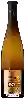
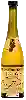
Winery Etienne SimonisMuscat Les Chapelles
 White wine
This wine generally goes well with spicy food and sweet desserts.

Food and wine pairings with Muscat Les Chapelles
Pairings that work perfectly with Muscat Les Chapelles


Original food and wine pairings with Muscat Les Chapelles
The Muscat Les Chapelles of Winery Etienne Simonis matches generally quite well with dishes of shellfish, vegetarian or lean fish such as recipes of cuttlefish rust from my grandmother in sète, zucchini quiche or salmon, shrimp and white fish puff pastry.
Details and technical informations about Winery Etienne Simonis's Muscat Les Chapelles.
Discover the grape variety: Schiava
Light, fruity reds with a pale onion-skin ruby colour, silky tannins and supple palate, showing signature aromas of red fruits (strawberry, raspberry, cherry), bitter almond, violet and gentle spices. Alpine airy profile for early drinking. Star of the Alto Adige Schiava DOC and Kalterersee DOC appellations, the aromatic signature of South Tyrol. Family of native Italian black varieties from Südtirol (Grossa, Gentile, Grigia), widely grown in Trentino.
Informations about the Winery Etienne Simonis
The Winery Etienne Simonis is one of of the world's great estates. It offers 40 wines for sale in the of Alsace to come and discover on site or to buy online.

The wine region of Alsace
Capital of great French aromatic whites, most often dry and single-varietal. Straight, mineral Riesling (lemon, gunflint), opulent, exuberant Gewurztraminer (lychee, rose, spices), round, smoky Pinot Gris, floral, crisp Muscat, supple Pinot Blanc. Fine, fruity Crémants d'Alsace, exceptional sweet Vendanges Tardives and Sélection de Grains Nobles. 15,500 ha at the foot of the Vosges on varied soils, 51 Grands Crus since 1975.
The word of the wine: Maceration
Prolonged contact and exchange between the juice and the grape solids, especially the skin. Not to be confused with the time of fermentation, which follows maceration. The juice becomes loaded with colouring matter and tannins, and acquires aromas. For a rosé, the maceration is short so that the colour does not "rise" too much. For white wines too, a "pellicular maceration" can be practised, which allows the wine to acquire more fat.