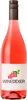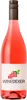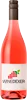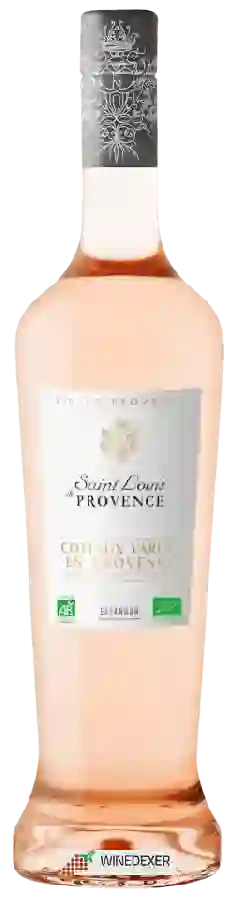
Winery EstandonSaint Louis de Provence Rosé
 Pink wine



In the mouth this pink wine is a with a nice freshness.
This wine generally goes well with pork, vegetarian or poultry.

Taste structure of the Saint Louis de Provence Rosé from the Winery Estandon
Light | Bold | |
Dry | Sweet | |
Soft | Acidic |
In the mouth the Saint Louis de Provence Rosé of Winery Estandon in the region of Provence is a with a nice freshness.
Wine flavors and olphactive analysis






On the nose the Saint Louis de Provence Rosé of Winery Estandon in the region of Provence often reveals types of flavors of cream, cherry or grapefruit and sometimes also flavors of tropical, citrus or apples.
Food and wine pairings with Saint Louis de Provence Rosé
Pairings that work perfectly with Saint Louis de Provence Rosé



Original food and wine pairings with Saint Louis de Provence Rosé

The Saint Louis de Provence Rosé of Winery Estandon matches generally quite well with dishes of pork, shellfish or vegetarian such as recipes of nanie's diced ham quiche, fried squid or vegan leek and tofu quiche.
Details and technical informations about Winery Estandon's Saint Louis de Provence Rosé.
Discover the grape variety: Auxerrois
Rich, round whites with tender mouth and moderate acidity, featuring aromas of ripe yellow fruits, white flowers, subtle honey, fresh almond and brioche notes. Often blended with Pinot Blanc in Alsace (cuvées labelled "Pinot Blanc" often contain a good proportion) and a pillar of Crémant d'Alsace. Also in French and Luxembourgish Moselle, Côtes-de-Toul and Baden. Lorraine grape, a Pinot Noir × Gouais Blanc cross, half-sibling of Chardonnay.
Last vintages of this wine
The best vintages of Saint Louis de Provence Rosé from Winery Estandon are 2018, 2019, 2017, 2016 and 2014.
Informations about the Winery Estandon
The Winery Estandon is one of of the world's greatest estates. It offers 136 wines for sale in the of Coteaux Varois en Provence to come and discover on site or to buy online.

The wine region of Coteaux Varois en Provence
Provençal AOC of the Var hinterland (28 villages, ~2,229 ha) tempered by the Sainte-Baume massif. Signature rosés dominate (91%): pale robe with signature notes of strawberry, grapefruit, white peach, flowers (rose, garrigue) and a citrus touch, fresh and thirst-quenching palate — more structured and mineral than the coast thanks to altitude. Cinsault, Grenache, Syrah, Mourvèdre at the base, local Tibouren. Supple cherry-garrigue reds, Rolle and Clairette whites.
The wine region of Provence
World capital of dry, refined rosé (~90% of production). Pale rose-petal colour, delicate nose of fresh red fruits (strawberry, raspberry, redcurrant), citrus (pink grapefruit), white flowers and a mineral touch, taut and thirst-quenching palate — the Mediterranean aperitif par excellence. Blends of Grenache, Cinsault, Syrah, Tibouren and Mourvèdre. Fleshy Bandol reds from Mourvèdre (leather, garrigue, age-worthy), straight Cassis whites.
The word of the wine: Draft liquor (champagne)
After blending, the wine is bottled with a liqueur de tirage (a mixture of sugar and wine) and a yeast (selected yeasts). The yeast attacks the sugar and creates carbon dioxide. The fermentation, which lasts about two months, is prolonged by an ageing period (15 months minimum in total). The bottle is capped (some rare vintages are capped with a staple and a cork).