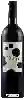
Winery Estacion PorvenirTxtura 3
 Red wine



This wine generally goes well with beef and spicy food.

Food and wine pairings with Txtura 3
Pairings that work perfectly with Txtura 3


Original food and wine pairings with Txtura 3
The Txtura 3 of Winery Estacion Porvenir matches generally quite well with dishes of beef or spicy food such as recipes of couscous without couscous maker or dal lentils with coconut milk.
Details and technical informations about Winery Estacion Porvenir's Txtura 3.
Discover the grape variety: Verdesse
Crisp, aromatic dry whites with a pale golden colour, a slender palate and preserved acidity, showing delicate aromas of citrus (lemon), white flowers (acacia, hawthorn), white fruits (apple, pear) and alpine mineral notes. A crystalline mountain character. Very rare, preserved by a handful of Dauphiné growers for its heritage value, in confidential high-altitude cuvées. Indigenous French variety of Isère and the Dauphiné, a witness to ancient Alpine grape varieties.
Last vintages of this wine
The best vintages of Txtura 3 from Winery Estacion Porvenir are 2008, 0, 2011
Informations about the Winery Estacion Porvenir
The Winery Estacion Porvenir is one of of the world's greatest estates. It offers 9 wines for sale in the of Valle de Guadalupe to come and discover on site or to buy online.

The wine region of Valle de Guadalupe
Mexico's wine capital (~90% of national production) in Baja California: an eclectic Mediterranean palette — structured Cabernet Sauvignon (blackcurrant, cedar), supple Merlot, spicy Zinfandel in reds. Exceptional signature Nebbiolo (LA Cetto, one of the best outside Piedmont) with notes of cherry, rose, tar and firm tannins. Tempranillo, Sangiovese, Syrah complement. Chardonnay and Sauvignon in whites.
The wine region of North
North Israel encompasses Upper and Lower Galilee plus the Golan, vineyards at altitude on limestone soils, volcanic basalt and draining gravels, climate tempered by strong day-night swings. Cabernet Sauvignon, Merlot and Syrah are the signature reds — full-bodied and precise with notes of blackcurrant, black cherry, blackberry, garrigue and a mineral touch, ripe tannins and preserved freshness. Historic Carignan. Taut Chardonnay and lively Sauvignon in whites.
The word of the wine: Ample
Said of a generous wine with a rich body that gives an impression of fullness in the mouth.