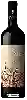
Winery Rio LindoVerdejo - Airen
 White wine


This wine is a blend of 2 varietals which are the Airen and the Verdejo.
In the mouth this white wine is a .
This wine generally goes well with pork, vegetarian or shellfish.

Taste structure of the Verdejo - Airen from the Winery Rio Lindo
Light | Bold | |
Dry | Sweet | |
Soft | Acidic |
In the mouth the Verdejo - Airen of Winery Rio Lindo in the region of Vinos de Pago is a .
Food and wine pairings with Verdejo - Airen
Pairings that work perfectly with Verdejo - Airen



Original food and wine pairings with Verdejo - Airen

The Verdejo - Airen of Winery Rio Lindo matches generally quite well with dishes of pork, shellfish or vegetarian such as recipes of tartiflette (from a real savoyard), mussels with rosemary and barbecue or quiche without pastry.
Details and technical informations about Winery Rio Lindo's Verdejo - Airen.
Discover the grape variety: Airen
Simple, refreshing whites with a pale robe and a tender mouth, featuring discreet aromas of apple, citrus, fresh herbs and neutral notes. Moderate acidity, best drunk young. Very productive and drought-resistant, it produces easy-drinking whites in La Mancha DO and Valdepeñas DO on the Castilian plateau, and has historically supplied the base for Brandy de Jerez distillation. Native Spanish grape, long the world's most planted by surface area.
Last vintages of this wine
The best vintages of Verdejo - Airen from Winery Rio Lindo are 0, 2016
Informations about the Winery Rio Lindo
The Winery Rio Lindo is one of of the world's greatest estates. It offers 7 wines for sale in the of Vinos de Pago to come and discover on site or to buy online.

The wine region of Vinos de Pago
Top of the Spanish quality pyramid (above DOCa and DO), reserved for 25 exceptional estates. Estate wines, grapes and vinification exclusively on site, 10 years of track record. All styles: concentrated, barrel-aged Cabernet, Syrah and Tempranillo reds (Dominio de Valdepusa, Arínzano, Pago de Otazu), maker's blends, a few ambitious whites. Great stylistic freedom.
The word of the wine: Disgorging (champagne)
This is the evacuation of the deposit formed by the yeasts during the second fermentation in the bottle, by opening the bottle. The missing volume is completed with the liqueur de dosage - a mixture of wine and cane sugar - before the final cork is placed. For some years now, some producers have been replacing this sugar with rectified concentrated musts (concentrated grape juice) which give excellent results. A too recent dosage (less than three months) harms the gustatory harmony of the champagne.