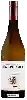
Winery Pazo CasanovaBlancamar
 White wine
This wine is a blend of 2 varietals which are the Albarino and the Loureiro.
This wine generally goes well with pork, rich fish (salmon, tuna etc) or shellfish.

Food and wine pairings with Blancamar
Pairings that work perfectly with Blancamar



Original food and wine pairings with Blancamar
The Blancamar of Winery Pazo Casanova matches generally quite well with dishes of pork, rich fish (salmon, tuna etc) or shellfish such as recipes of cajun jumbalaya rice, sun wheat or fish and seafood gratin.
Discover the grape variety: Albarino
Lively, aromatic whites with sharp acidity and a sleek palate, with intense aromas of citrus, white peach, apricot, white flowers, passion fruit and characteristic Atlantic saline-iodine notes. Tonic and long finish. Absolute star of Rías Baixas DO in Galicia (Spain) and signature of Portuguese Vinho Verde as Alvarinho (Monção e Melgaço). Native Iberian variety, exported to Uruguay, California and New Zealand.
Informations about the Winery Pazo Casanova
The Winery Pazo Casanova is one of of the world's greatest estates. It offers 8 wines for sale in the of Ribeiro to come and discover on site or to buy online.

The wine region of Ribeiro
Ancestral Galician DO of north-west Spain, humid oceanic climate and granite soils (~2,500 ha). Mostly lively and elegant whites. Native Treixadura signature with signature notes of white apple, pear, white flowers, citrus, fresh herbs and a mineral touch, fruity and long palate. Often blended with taut Godello, saline Albariño, floral Loureira, Torrontés.
The wine region of Galice
Oceanic northwest Spain, cradle of the great Iberian whites. Signature Albarino of Rias Baixas: lively, saline whites with signature notes of citrus, white peach, white flowers, fresh almond and iodine minerality, a taut palate — a perfect match for Atlantic seafood. Also premium Godello (pear, citrus, butter), aromatic Treixadura. Supple Mencia reds (raspberry, herbs, graphite).
The word of the wine: Extraction
All the methods (pumping over, punching down) that allow the colour and tannins to be extracted from the grape skin during maceration, before fermentation begins. It is also possible to macerate after fermentation, but gently, so as not to extract the tannins from the seeds, which are greener. Because of its solvent power, alcohol favours extraction.