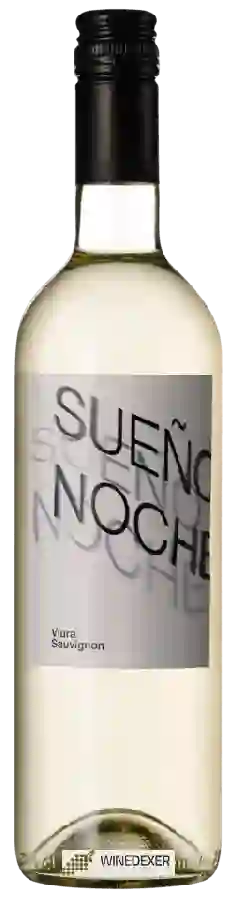
Winery PanizaSueño Noche Viura - Sauvignon
 White wine


This wine generally goes well with vegetarian, rich fish (salmon, tuna etc) or shellfish.

Food and wine pairings with Sueño Noche Viura - Sauvignon
Pairings that work perfectly with Sueño Noche Viura - Sauvignon



Original food and wine pairings with Sueño Noche Viura - Sauvignon
The Sueño Noche Viura - Sauvignon of Winery Paniza matches generally quite well with dishes of rich fish (salmon, tuna etc), shellfish or vegetarian such as recipes of raw salmon marinade with vinegars, chicken chop suey or zucchini quiche.
Details and technical informations about Winery Paniza's Sueño Noche Viura - Sauvignon.
Discover the grape variety: Mireille
Simple, fresh dry whites with a pale golden robe, a supple palate with moderate acidity, and undemonstrative aromas of citrus and white flowers. Discreet southern rustic profile. Nearly extinct and preserved in INRAE varietal collections for its heritage value, a witness to the pre-phylloxera ampelographic diversity of Provençal vineyards. Rare French white variety, once grown in Provence.
Last vintages of this wine
The best vintages of Sueño Noche Viura - Sauvignon from Winery Paniza are 0, 2017
Informations about the Winery Paniza
The Winery Paniza is one of of the world's great estates. It offers 109 wines for sale in the of Vinos de Pago to come and discover on site or to buy online.

The wine region of Vinos de Pago
Top of the Spanish quality pyramid (above DOCa and DO), reserved for 25 exceptional estates. Estate wines, grapes and vinification exclusively on site, 10 years of track record. All styles: concentrated, barrel-aged Cabernet, Syrah and Tempranillo reds (Dominio de Valdepusa, Arínzano, Pago de Otazu), maker's blends, a few ambitious whites. Great stylistic freedom.
The word of the wine: Thermoregulation
Control of the vinification temperatures (by circulating hot or cold water on the walls of the vats, for example). This is a major step forward, which in particular helps to preserve the freshness of the aromas threatened by excessive temperature rises during fermentation.