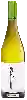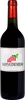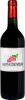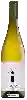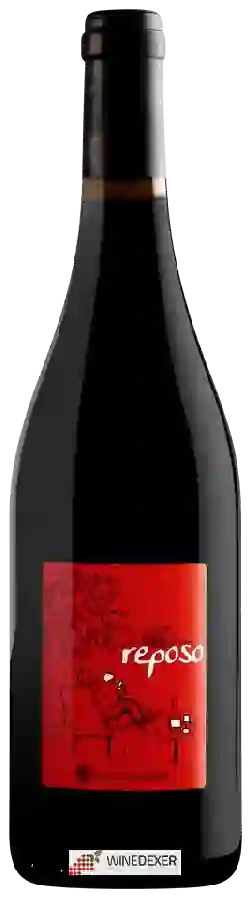
Winery Pago Casa GranReposo Tinto
 Red wine



This wine is a blend of 2 varietals which are the Cabernet-Sauvignon and the Mourvèdre.
In the mouth this red wine is a powerful with a nice freshness.
This wine generally goes well with poultry, beef or veal.

Taste structure of the Reposo Tinto from the Winery Pago Casa Gran
Light | Bold | |
Smooth | Tannic | |
Dry | Sweet | |
Soft | Acidic |
In the mouth the Reposo Tinto of Winery Pago Casa Gran in the region of Valence is a powerful with a nice freshness.
Food and wine pairings with Reposo Tinto
Pairings that work perfectly with Reposo Tinto



Original food and wine pairings with Reposo Tinto

The Reposo Tinto of Winery Pago Casa Gran matches generally quite well with dishes of beef, pasta or veal such as recipes of oxtail with seed sauce, cannelloni with salmon and spinach or veal tagine with carrots.
Details and technical informations about Winery Pago Casa Gran's Reposo Tinto.
Discover the grape variety: Cabernet-Sauvignon
Structured, tannic reds, deeply coloured, with aromas of blackcurrant, blackberry, cedar, tobacco and graphite, underpinned by firm acidity and fine ageing potential. Cornerstone of the great Médoc estates (Pauillac, Saint-Estèphe, Saint-Julien) and signature of Napa Valley, Coonawarra and Maipo. The world's most planted red variety, a natural cross of Cabernet Franc x Sauvignon Blanc born in Bordeaux.
Last vintages of this wine
The best vintages of Reposo Tinto from Winery Pago Casa Gran are 2016, 2014, 0, 2013 and 2006.
Informations about the Winery Pago Casa Gran
The Winery Pago Casa Gran is one of of the world's great estates. It offers 49 wines for sale in the of Valence to come and discover on site or to buy online.

The wine region of Valence
Sunny Mediterranean Levant, sun-drenched accessible wines. Monastrell (Mourvèdre) star red in Alicante: fleshy and deep with black fruits, garrigue, leather and spice, firm tannins. Round, fruity Bobal from Utiel-Requena, supple Garnacha, juicy Tempranillo. Fresh whites: light Merseguera, aromatic Moscatel (fresh grape, flowers).
The word of the wine: Leaflet
Small barrel with a capacity of 112 to 136 litres depending on the region.