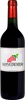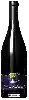
Winery EastonCooper Ranch Barbera
 Red wine


This wine generally goes well with pork, poultry or mild and soft cheese.
Wine flavors and olphactive analysis



On the nose the Cooper Ranch Barbera of Winery Easton in the region of California often reveals types of flavors of non oak, oak or spices and sometimes also flavors of red fruit, black fruit.
Food and wine pairings with Cooper Ranch Barbera
Pairings that work perfectly with Cooper Ranch Barbera



Original food and wine pairings with Cooper Ranch Barbera

The Cooper Ranch Barbera of Winery Easton matches generally quite well with dishes of pork, spicy food or poultry such as recipes of flemish carbonnade, original francesinha (portugal) or chicken tenderloins with lemon cream.
Details and technical informations about Winery Easton's Cooper Ranch Barbera.
Discover the grape variety: Completer
Very old vine cultivated in Switzerland (canton of Grisons) where writings relating its presence were found in Malans dating from 1321, its origin would however be Italian. It is related to the white humagne, the bondola bianca, the bondoletta, the marzemino and the lafnetscha its mother. It should be noted that the Completer is today little multiplied in Switzerland, almost unknown in France and even less in the other wine-producing countries.
Last vintages of this wine

The best vintages of Cooper Ranch Barbera from Winery Easton are 2010, 2011, 0, 2009
Informations about the Winery Easton
The Winery Easton is one of of the world's greatest estates. It offers 18 wines for sale in the of California Shenandoah Valley to come and discover on site or to buy online.

The wine region of California Shenandoah Valley
The wine region of California Shenandoah Valley is located in the region of Sierra Foothills of California of United States. Wineries and vineyards like the Domaine C. G. di Arie or the Domaine Easton produce mainly wines red, white and pink.
The wine region of California
California is the largest and most important wine region in the United States. It represents the southern two-thirds (850 miles or 1,370 kilometers) of the country's west coast. (Oregon and Washington make up the rest. ) The state also spans nearly 10 degrees of latitude.
The word of the wine: Removal of shoes
In the spring, this operation consists of removing the mound of earth formed at the foot of the vines by ploughing between the rows in the autumn.