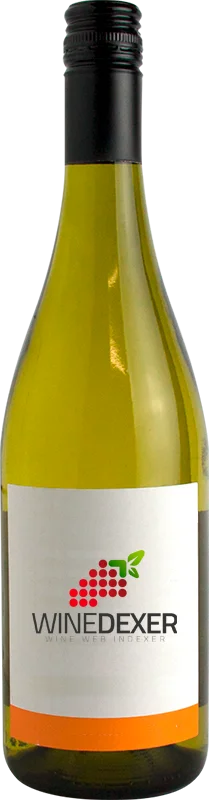
Winery DuchmanOswald Vineyard Roussanne
 White wine



This wine generally goes well with

Details and technical informations about Winery Duchman's Oswald Vineyard Roussanne.
Discover the grape variety: Roussanne
Aromatic and elegant whites, rich yet lifted by fine freshness, with hawthorn, honeysuckle, apricot, pear, honey, green tea, mineral and herbal notes. Fine ageing potential. Key variety in the great whites of the northern Rhône (Hermitage, Crozes-Hermitage, Saint-Joseph, Saint-Péray) blended with marsanne, and one of the 13 permitted grapes at Châteauneuf-du-Pape. Native Rhône variety.
Last vintages of this wine
The best vintages of Oswald Vineyard Roussanne from Winery Duchman are 2017, 0
Informations about the Winery Duchman
The Winery Duchman is one of of the world's great estates. It offers 25 wines for sale in the of Texas to come and discover on site or to buy online.

The wine region of Texas
5th US producer with a Mediterranean style suited to the heat. Signature Tempranillo as red: fleshy and fruity with notes of ripe cherry, plum and sweet spices, round tannins. Also dense Tannat, spicy Mourvèdre, juicy Sangiovese, peppery Syrah. Suited aromatic whites: full Viognier (apricot, flowers), saline Vermentino, lively Albariño.
The word of the wine: Confit
Said of red wines that offer a very ripe nose of red and black fruits reminiscent of jam. On the palate, these aromas are dominant, the wine is very fleshy and round, and leaves an impression of sweetness on the finish that weighs it down.