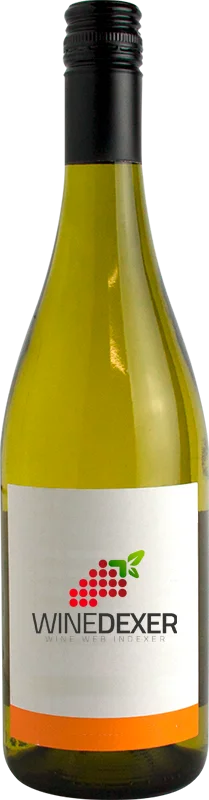
Winery DryridgeMila Pinot Gris
 White wine
In the mouth this white wine is a .
This wine generally goes well with pork, cured meat or mushrooms.

Taste structure of the Mila Pinot Gris from the Winery Dryridge
Light | Bold | |
Dry | Sweet | |
Soft | Acidic |
In the mouth the Mila Pinot Gris of Winery Dryridge in the region of Australie du Sud is a .
Food and wine pairings with Mila Pinot Gris
Pairings that work perfectly with Mila Pinot Gris


Original food and wine pairings with Mila Pinot Gris

The Mila Pinot Gris of Winery Dryridge matches generally quite well with dishes of pork, spicy food or mushrooms such as recipes of cassoulet, turkey escalope with curry or sheep's feet with mountain honey.
Details and technical informations about Winery Dryridge's Mila Pinot Gris.
Discover the grape variety: Pinot gris
Rich, ample whites with a golden robe, showing aromas of pear, quince, honey, smoke, ginger and spice. Made as structured dry wines (Alsace AOC), off-dry and sumptuous late-harvest sweet (vendange tardive, sélection de grains nobles). Lighter and crisper in Italy as Pinot Grigio (Veneto, Friuli). Also in Germany (Grauburgunder), Hungary (Szürkebarát) and Oregon. A grey mutation of Pinot Noir.
Informations about the Winery Dryridge
The Winery Dryridge is one of of the world's greatest estates. It offers 9 wines for sale in the of Australie du Sud to come and discover on site or to buy online.

The wine region of Australie du Sud
Cradle of the great Australian Shiraz: powerful, sun-drenched reds with notes of blackberry, candied plum, pepper, chocolate and eucalyptus, ample tannins and vibrant fruit (Barossa, McLaren Vale). Firm, minty Cabernet Sauvignon on Coonawarra (terra rossa). Dry, lemony Riesling from Clare and Eden Valley, straight and taut. Fresh Sauvignon and Chardonnay from Adelaide Hills.
The word of the wine: Rebêche (champagne)
Must obtained in excess of the 2 550 litres authorised for a weight of 4 000 kilos of grapes. The first 2 050 litres constitute the cuvée and the next 500 litres the taille. The rebêche represents 1 to 3 % of the total volume and must be distilled or used to make ratafia.