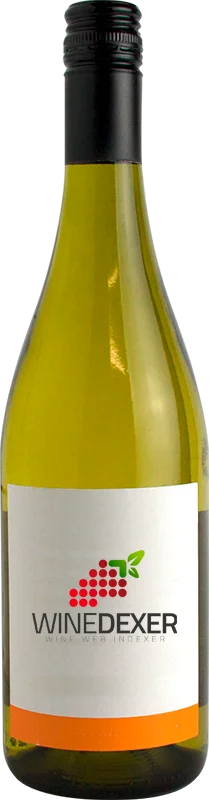
Winery Dr. KoehlerGoldschatz Grauburgunder
 White wine



In the mouth this white wine is a .
This wine generally goes well with pork, cured meat or mushrooms.

Taste structure of the Goldschatz Grauburgunder from the Winery Dr. Koehler
Light | Bold | |
Dry | Sweet | |
Soft | Acidic |
In the mouth the Goldschatz Grauburgunder of Winery Dr. Koehler in the region of Rheinhessen is a .
Wine flavors and olphactive analysis

Food and wine pairings with Goldschatz Grauburgunder
Pairings that work perfectly with Goldschatz Grauburgunder


Original food and wine pairings with Goldschatz Grauburgunder

The Goldschatz Grauburgunder of Winery Dr. Koehler matches generally quite well with dishes of pork, spicy food or mushrooms such as recipes of roast pork orloff, original francesinha (portugal) or blanquette of veal in the old way (self-cooker).
Details and technical informations about Winery Dr. Koehler's Goldschatz Grauburgunder.
Discover the grape variety: Sagrantino
Monumental, intensely colored reds with a deep dark ruby robe, the world's most powerful tannins and a dense palate, with signature aromas of ripe black fruits (blackberry, blackcurrant), plum, spices, Mediterranean herbs, leather and balsamic notes. Exceptional ageing potential. The undisputed star of Sagrantino di Montefalco DOCG, one of Italy's great reds. Indigenous Italian variety from Umbria, grown almost exclusively around Montefalco.
Last vintages of this wine
The best vintages of Goldschatz Grauburgunder from Winery Dr. Koehler are 0, 2018, 2017
Informations about the Winery Dr. Koehler
The Winery Dr. Koehler is one of of the world's great estates. It offers 70 wines for sale in the of Rheinhessen to come and discover on site or to buy online.

The wine region of Rheinhessen
71% white region: Riesling is king (5,000 ha), dry to off-dry, ripe yellow fruit, apple, citrus and fine saline minerality. Supple, floral Müller-Thurgau for everyday, the world's largest Silvaner plantation with herbaceous, straight notes. Historic cradle of off-sweet Liebfraumilch. Some supple reds (Dornfelder, Spätburgunder).
The word of the wine: Concentrator
A device that removes water from grape must by reverse osmosis or entropy system. Its proponents say that it is better to remove water than to add sugar to produce more alcohol. The improperly used concentrator can also exaggerate bad tastes or greenness of tannins.


