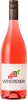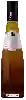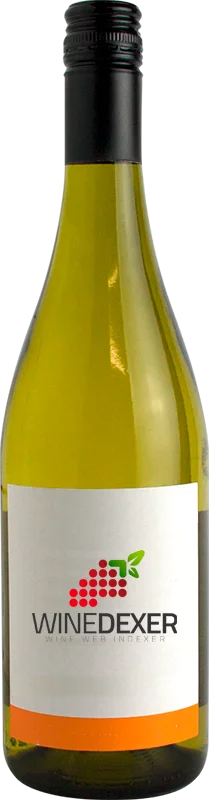
Winery Dr. KoehlerBechtheimer Hasensprung Trocken Grauer Burgunder Spätlese
 Sweet wine
This wine generally goes well with pork, cured meat or mushrooms.

Food and wine pairings with Bechtheimer Hasensprung Trocken Grauer Burgunder Spätlese
Pairings that work perfectly with Bechtheimer Hasensprung Trocken Grauer Burgunder Spätlese


Original food and wine pairings with Bechtheimer Hasensprung Trocken Grauer Burgunder Spätlese

The Bechtheimer Hasensprung Trocken Grauer Burgunder Spätlese of Winery Dr. Koehler matches generally quite well with dishes of pork, spicy food or mushrooms such as recipes of butternut and goat cheese gratin, royal couscous (lamb, chicken, merguez) or pork tenderloin with vegetables in a pressure cooker.
Details and technical informations about Winery Dr. Koehler's Bechtheimer Hasensprung Trocken Grauer Burgunder Spätlese.
Discover the grape variety: Allegro
Supple, fruity reds with an intense ruby color, smooth tannins and a generous palate, offering aromas of red fruits (cherry, raspberry, strawberry), plum, soft spices and floral notes. A modern, drink-young profile. Early-ripening interspecific variety resistant to fungal disease, leading variety in organic northern vineyards: Germany, Switzerland, Belgium and the Netherlands, adapted to cool climates. Modern hybrid created for organic and sustainable viticulture.
Informations about the Winery Dr. Koehler
The Winery Dr. Koehler is one of of the world's great estates. It offers 70 wines for sale in the of Rheinhessen to come and discover on site or to buy online.

The wine region of Rheinhessen
71% white region: Riesling is king (5,000 ha), dry to off-dry, ripe yellow fruit, apple, citrus and fine saline minerality. Supple, floral Müller-Thurgau for everyday, the world's largest Silvaner plantation with herbaceous, straight notes. Historic cradle of off-sweet Liebfraumilch. Some supple reds (Dornfelder, Spätburgunder).
The word of the wine: Aging on lees
Maturing on the lees enhances the stability, aromatic complexity and texture of white wines, which gain in body and volume. This phenomenon is induced by autolysis, the process of self-degradation of the lees.