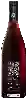
Winery Dr. HegerIhringer Winklerberg Ruländer Auslese
 White wine


In the mouth this white wine is a .
This wine generally goes well with pork, cured meat or mushrooms.
Taste structure of the Ihringer Winklerberg Ruländer Auslese from the Winery Dr. Heger
Light | Bold | |
Dry | Sweet | |
Soft | Acidic |
In the mouth the Ihringer Winklerberg Ruländer Auslese of Winery Dr. Heger in the region of Baden is a .
Wine flavors and olphactive analysis

Food and wine pairings with Ihringer Winklerberg Ruländer Auslese
Pairings that work perfectly with Ihringer Winklerberg Ruländer Auslese


Original food and wine pairings with Ihringer Winklerberg Ruländer Auslese

The Ihringer Winklerberg Ruländer Auslese of Winery Dr. Heger matches generally quite well with dishes of pork, spicy food or mushrooms such as recipes of butternut and goat cheese gratin, coconut chicken and curry or pork roll in a casserole.
Details and technical informations about Winery Dr. Heger's Ihringer Winklerberg Ruländer Auslese.
Discover the grape variety: Tardif
This is a very old grape variety in southwestern France, with "traces" found in the high Pyrenees, but also in the Atlantic Pyrenees and in the Gers. Virtually unknown in other French wine-producing regions, as well as abroad, it is registered in the Official Catalogue of Wine Grape Varieties, list A1. Tardif is certainly the ideal grape variety to combine with Tannat, especially when the latter is in the majority. The overall quality of its polyphenols is such as to compensate for the often harsh tannins of Tannat in young wines.
Last vintages of this wine
The best vintages of Ihringer Winklerberg Ruländer Auslese from Winery Dr. Heger are 2004, 0
Informations about the Winery Dr. Heger
The Winery Dr. Heger is one of of the world's great estates. It offers 72 wines for sale in the of Baden to come and discover on site or to buy online.

The wine region of Baden
German capital of Pinot Noir (Spätburgunder): silky, fine reds with notes of red fruits, cherry, undergrowth and sweet spices, melted tannins. Round Grauburgunder (Pinot Gris), lively Weissburgunder, supple Müller-Thurgau, mineral Riesling. Germany's 3rd region (15,000 ha) in Baden-Württemberg facing Alsace, one of the country's warmest climates, volcanic soils at the Kaiserstuhl. Cradle of modern great German reds, elegant and fine.
The word of the wine: Density per hectare
Number of vines per hectare. For the same yield, a vine planted with 3,000 vines per hectare bears many more bunches (per vine) than a vine planted with 10,000. The grapes will therefore be less rich in sugar and polyphenols (tannins, aromas...).