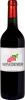
Winery Dos HemisferiosTravesia Gran Reserva Malbec
 Red wine
This wine generally goes well with poultry, beef or mature and hard cheese.
The Travesia Gran Reserva Malbec of the Winery Dos Hemisferios is in the top 20 of wines of Ecuador and in the top 20 of wines of Guayas.
Food and wine pairings with Travesia Gran Reserva Malbec
Pairings that work perfectly with Travesia Gran Reserva Malbec



Original food and wine pairings with Travesia Gran Reserva Malbec

The Travesia Gran Reserva Malbec of Winery Dos Hemisferios matches generally quite well with dishes of beef, spicy food or mature and hard cheese such as recipes of beef tongue with mushrooms, chicken curry and onions or tartiflette with 3 cheeses.
Details and technical informations about Winery Dos Hemisferios's Travesia Gran Reserva Malbec.
Discover the grape variety: Malbec
Malbec, a high-yielding red grape variety, produces tannic and colourful wines. It is produced in different wine-growing regions and changes its name according to the grape variety. Called Auxerrois in Cahors, Malbec in Bordeaux, it is also known as Côt. 6,000 hectares of the Malbec grape are grown in France (in decline since the 1950s). Malbec is also very successful in Argentina. The country has become the world's leading producer of Malbec and offers wines with great potential.
Informations about the Winery Dos Hemisferios
The Winery Dos Hemisferios is one of of the world's great estates. It offers 22 wines for sale in the of Guayas to come and discover on site or to buy online.

The wine region of Guayas
The wine region of Guayas of Ecuador. Wineries and vineyards like the Domaine Dos Hemisferios or the Domaine Dos Hemisferios produce mainly wines red and white. The most planted grape varieties in the region of Guayas are Cabernet-Sauvignon, Malbec and Merlot, they are then used in wines in blends or as a single variety. On the nose of Guayas often reveals types of flavors of red fruit, non oak or microbio and sometimes also flavors of oak, tree fruit or spices.
The word of the wine: Grand Cru
In Burgundy, the fourth and final level of classification (above the regional, communal and premier cru appellations), designating the wines produced on delimited plots of land (the climats) whose name alone constitutes the appellation. The climats classified as Grand Cru are 32 in the Côte d'Or plus one in Chablis which is divided into 7 distinct climats. Representing barely 1.5% of the production, the Grand Crus are the aristocracy of Burgundy wines.