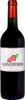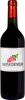
Winery Don FelixPremium Semi-Sweet Red
 Red wine


In the mouth this red wine is a powerful.
This wine generally goes well with poultry, beef or veal.

Taste structure of the Premium Semi-Sweet Red from the Winery Don Felix
Light | Bold | |
Smooth | Tannic | |
Dry | Sweet | |
Soft | Acidic |
In the mouth the Premium Semi-Sweet Red of Winery Don Felix in the region of Vinos de Pago is a powerful.
Food and wine pairings with Premium Semi-Sweet Red
Pairings that work perfectly with Premium Semi-Sweet Red



Original food and wine pairings with Premium Semi-Sweet Red

The Premium Semi-Sweet Red of Winery Don Felix matches generally quite well with dishes of beef, pasta or veal such as recipes of thai beef skewers, eggplant and zucchini lasagna or stuffed red mullet ballotines.
Details and technical informations about Winery Don Felix's Premium Semi-Sweet Red.
Discover the grape variety: Pinot Auxerrois
Rich and aromatic whites with a pale golden robe, round palate with moderate acidity, signature aromas of exotic fruits (pineapple), yellow fruits (peach, apricot), white flowers (acacia) and honeyed notes. Also a base for Crémant d'Alsace AOC. Component of Alsace AOC whites (sometimes labelled Pinot Blanc or Edelzwicker), Côtes-de-Toul AOC and Moselle whites. Alsatian and Lorraine synonym for Auxerrois, descended from Pinot Noir x Gouais Blanc.
Last vintages of this wine
The best vintages of Premium Semi-Sweet Red from Winery Don Felix are 0
Informations about the Winery Don Felix
The Winery Don Felix is one of of the world's greatest estates. It offers 7 wines for sale in the of Vinos de Pago to come and discover on site or to buy online.

The wine region of Vinos de Pago
Top of the Spanish quality pyramid (above DOCa and DO), reserved for 25 exceptional estates. Estate wines, grapes and vinification exclusively on site, 10 years of track record. All styles: concentrated, barrel-aged Cabernet, Syrah and Tempranillo reds (Dominio de Valdepusa, Arínzano, Pago de Otazu), maker's blends, a few ambitious whites. Great stylistic freedom.
The word of the wine: Phylloxera
Aphid that came from America and ravaged European vineyards at the end of the 19th century. It lives on the roots of the vine, from which it pumps the sap. The only vines capable of resisting it had to be imported from the United States, and then grafted onto their root system the wood of traditional French grape varieties. Today, grafted vines are always planted.