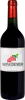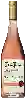
Domaine VigierLes Petites Cuvées Rosé
 Pink wine
This wine generally goes well with

Details and technical informations about Domaine Vigier's Les Petites Cuvées Rosé.
Discover the grape variety: Couderc
Simple, colourful and fruity reds with a deep ruby colour, supple tannins and a light palate with moderate acidity, showing aromas of red fruits and discreet hybrid notes. Productive and resistant to phylloxera. Now marginal, it survives in a few heritage plots and French ampelographic collections, a witness to post-phylloxera hybridisation. French black hybrid variety obtained by Georges Couderc at the end of the 19th century.
Informations about the Domaine Vigier
The Domaine Vigier is one of of the world's great estates. It offers 54 wines for sale in the of Vin de France to come and discover on site or to buy online.

The wine region of Vin de France
The freest category of French wine, the playground of winemakers working outside the AOC. All styles combined: fruity reds, lively or ambitious whites, everyday rosés, unusual blends, natural wines, atypical grapes (Petit Manseng in Languedoc, Riesling in Provence), experimental winemaking (skin-contact whites, no sulphur). Grape and vintage labelling allowed, no geographic constraint. From the pop, convivial cuvée to the artisan gem: freedom in a bottle.
The word of the wine: Reassembly
During the vinification process, a "cap" is formed at the top of the vats with the solid parts (skin, pulp, pips, etc.), which contain tannins and colouring elements. Pumping over consists of emptying the vat from the bottom and pouring the juice back to the top, in order to mix the cap and the juice and to favour the exchange and the extraction. This old technique allows a better exchange between the solid parts and the liquid.