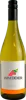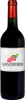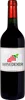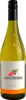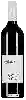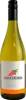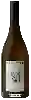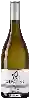
Domaine VayssetteBlanc
 White wine


This wine generally goes well with vegetarian, rich fish (salmon, tuna etc) or shellfish.

Food and wine pairings with Blanc
Pairings that work perfectly with Blanc



Original food and wine pairings with Blanc
The Blanc of Domaine Vayssette matches generally quite well with dishes of rich fish (salmon, tuna etc), shellfish or vegetarian such as recipes of salmon in bellevue, phad thai (thai style fried noodles) or quiche without eggs.
Details and technical informations about Domaine Vayssette's Blanc.
Discover the grape variety: Catarratto Bianco
Fresh, structured dry whites with a pale golden color, supple palate and preserved acidity, offering signature aromas of citrus (lemon, bitter orange), almond, white flowers (orange blossom), Mediterranean herbs and mineral notes. A sunny, thirst-quenching profile. Pillar of Sicilian dry whites (Alcamo DOC, Etna Bianco DOC) and essential component of traditional Marsala DOC. One of Italy's most planted varieties, indigenous to Sicily.
Informations about the Domaine Vayssette
The Domaine Vayssette is one of of the world's great estates. It offers 23 wines for sale in the of Gaillac to come and discover on site or to buy online.

The wine region of Gaillac
Millennia-old South-West mosaic (banks of the Tarn) with rare native grapes: Mauzac reigns in whites — dry, pearled or sweet with notes of apple, pear, honey and white flowers, signature freshness. Ample Loin-de-l'œil and Ondenc complement. Duras in spicy, peppery reds, fleshy Braucol (Fer Servadou) (blackcurrant, raspberry, blackberry, structured tannins) and Syrah in blends. Iconic ancestral-method Gaillac sparkling.
The wine region of South West
French mosaic of strong identities south of Bordeaux. Cahors and its Malbec ("black wine"): deep reds with notes of blackberry, plum, violet, tobacco and cocoa, firm tannins. Madiran and its dense, age-worthy Tannat. Jurançon whites: golden sweet (apricot, honey, pineapple) and lively dry from Petit Manseng.
The word of the wine: Yeast
Micro-organisms at the base of all fermentative processes. A wide variety of yeasts live and thrive naturally in the vineyard, provided that treatments do not destroy them. Unfortunately, their replacement by laboratory-selected yeasts is often the order of the day and contributes to the standardization of the wine. Yeasts are indeed involved in the development of certain aromas.