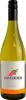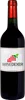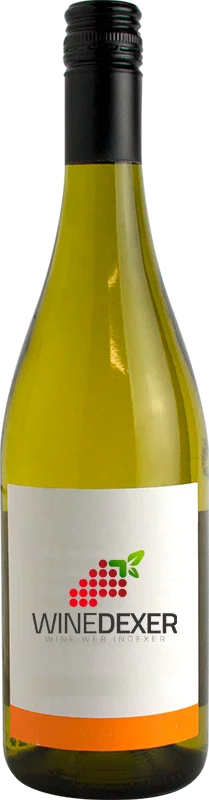
Winery UnivitisLes Ormeaux Bordeaux Blanc
 White wine
In the mouth this white wine is a powerful with a nice freshness.
This wine generally goes well with pork, vegetarian or poultry.

Taste structure of the Les Ormeaux Bordeaux Blanc from the Winery Univitis
Light | Bold | |
Dry | Sweet | |
Soft | Acidic |
In the mouth the Les Ormeaux Bordeaux Blanc of Winery Univitis in the region of Bordeaux is a powerful with a nice freshness.
Food and wine pairings with Les Ormeaux Bordeaux Blanc
Pairings that work perfectly with Les Ormeaux Bordeaux Blanc



Original food and wine pairings with Les Ormeaux Bordeaux Blanc


The Les Ormeaux Bordeaux Blanc of Winery Univitis matches generally quite well with dishes of pork, vegetarian or poultry such as recipes of savoyard pizza (cream base), leek, goat cheese and bacon quiche or filet mignon in a quick crust.
Details and technical informations about Winery Univitis's Les Ormeaux Bordeaux Blanc.
Discover the grape variety: Molinera gorda
Simple, dry grey-white wines with a pale rosé hue and coppery skin, a supple palate with moderate acidity, showing understated aromas of citrus and white flowers. Discreet, rustic southern profile. Preserved in varietal collections for its heritage value, it testifies to the ampelographic heritage of the Spanish Levant. Native Spanish grey variety, grown in small quantities in the Levant.
Informations about the Winery Univitis
The Winery Univitis is one of of the world's great estates. It offers 108 wines for sale in the of Bordeaux to come and discover on site or to buy online.

The wine region of Bordeaux
World-renowned age-worthy reds, led by round Merlot (plum, black fruit) or firm Cabernet Sauvignon (blackcurrant, cedar, graphite), blended with Cabernet Franc and Petit Verdot for tannic structure. Structured Médoc and Graves, velvety Saint-Émilion and Pomerol. Also crisp dry whites (Sauvignon/Sémillon) and opulent sweet Sauternes with honey and candied fruit. A 110,000 ha Gironde vineyard, 65 appellations, cradle of the 1855 classified growths.
The word of the wine: Guyot (pruning)
This is the most widespread pruning technique. It includes one or two long branches and allows the mechanization of a large number of vineyard operations.