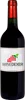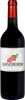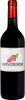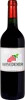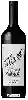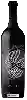
Winery Sixteen 600Steel Plow Grenache
 Red wine


This wine generally goes well with beef and mature and hard cheese.
Wine flavors and olphactive analysis


On the nose the Steel Plow Grenache of Winery Sixteen 600 in the region of California often reveals types of flavors of citrus fruit.
Food and wine pairings with Steel Plow Grenache
Pairings that work perfectly with Steel Plow Grenache


Original food and wine pairings with Steel Plow Grenache
The Steel Plow Grenache of Winery Sixteen 600 matches generally quite well with dishes of beef or mature and hard cheese such as recipes of pasticcio (greece) or ginouflade (kind of truffade or aligot but multi cheese).
Details and technical informations about Winery Sixteen 600's Steel Plow Grenache.
Discover the grape variety: Elbling
Elbling blanc is a grape variety that originated in France. It produces a variety of grape specially used for wine making. It is rare to find this grape for eating on our tables. White Elbling can be found grown in these vineyards: South West, Cognac, Bordeaux, Provence & Corsica, Rhone Valley.
Last vintages of this wine
The best vintages of Steel Plow Grenache from Winery Sixteen 600 are 2015, 0
Informations about the Winery Sixteen 600
The Winery Sixteen 600 is one of of the world's greatest estates. It offers 25 wines for sale in the of Sonoma Valley to come and discover on site or to buy online.

The wine region of Sonoma Valley
The wine region of Sonoma Valley is located in the region of Sonoma County of California of United States. We currently count 312 estates and châteaux in the of Sonoma Valley, producing 950 different wines in conventional, organic and biodynamic agriculture. The wines of Sonoma Valley go well with generally quite well with dishes .
The wine region of California
California is the largest and most important wine region in the United States. It represents the southern two-thirds (850 miles or 1,370 kilometers) of the country's west coast. (Oregon and Washington make up the rest. ) The state also spans nearly 10 degrees of latitude.
The word of the wine: Deposit
Solid particles that can naturally coat the bottom of a bottle of wine. It is rather a guarantee that the wine has not been mistreated: in fact, to avoid the natural deposit, rather violent processes of filtration or cold passage (- 7 or - 8 °C) are used in order to precipitate the tartar (the small white crystals that some people confuse with crystallized sugar: just taste to dissuade you from it)