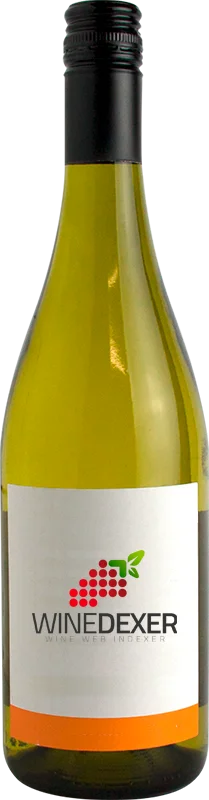
Domaine SeillyKlevener de Heiligenstein
 White wine


This wine generally goes well with

Wine flavors and olphactive analysis

On the nose the Klevener de Heiligenstein of Domaine Seilly in the region of Alsace often reveals types of flavors of earth.
Details and technical informations about Domaine Seilly's Klevener de Heiligenstein.
Discover the grape variety: Foch
Colourful and simply fruity reds with a deep purple hue, silky tannins and an airy palate with preserved acidity, featuring aromas of black fruits (blackcurrant, blackberry), spices and smoky notes. Cold- and mildew-resistant. Grown mainly in Canada (Quebec, Nova Scotia, Ontario) and the north-eastern United States for vineyards with a rigorous continental climate. Black hybrid grape (synonym Maréchal Foch), obtained in 1911 by Eugène Kuhlmann in Alsace.
Last vintages of this wine

The best vintages of Klevener de Heiligenstein from Domaine Seilly are 2010, 2011
Informations about the Domaine Seilly
The Domaine Seilly is one of of the world's greatest estates. It offers 12 wines for sale in the of Alsace to come and discover on site or to buy online.

The wine region of Alsace
Capital of great French aromatic whites, most often dry and single-varietal. Straight, mineral Riesling (lemon, gunflint), opulent, exuberant Gewurztraminer (lychee, rose, spices), round, smoky Pinot Gris, floral, crisp Muscat, supple Pinot Blanc. Fine, fruity Crémants d'Alsace, exceptional sweet Vendanges Tardives and Sélection de Grains Nobles. 15,500 ha at the foot of the Vosges on varied soils, 51 Grands Crus since 1975.
The word of the wine: Presses
The juice that results from pressing the grapes after fermentation. At the end of the maceration, the vats are emptied, the first juice obtained is called the free-run wine and the marc remaining at the bottom of the vat is then pressed to give the press wine. We say more quickly "the presses". Their quality varies according to the vintage and the maceration. A too vigorous extraction releases the tannins of pips and the wine of press can then prove to be very astringent. Often the winemaker raises it separately, deciding later whether or not to incorporate it totally or partially into the grand vin.