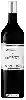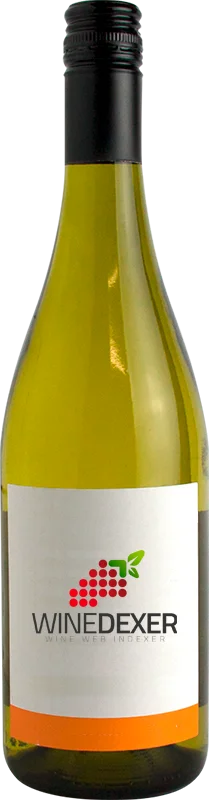
Domaine RicardCuvée Armand Blanc
 White wine


This wine generally goes well with vegetarian, rich fish (salmon, tuna etc) or shellfish.

Food and wine pairings with Cuvée Armand Blanc
Pairings that work perfectly with Cuvée Armand Blanc



Original food and wine pairings with Cuvée Armand Blanc
The Cuvée Armand Blanc of Domaine Ricard matches generally quite well with dishes of rich fish (salmon, tuna etc), shellfish or vegetarian such as recipes of salmon and zucchini gratin, scallops with cream or summer tuna quiche.
Details and technical informations about Domaine Ricard's Cuvée Armand Blanc.
Discover the grape variety: Arinto dos Açores
Vivid, mineral whites with a strong volcanic imprint, pale golden robe, tense palate, showing signature aromas of citrus (lemon), white flowers, white-fleshed fruits and remarkable saline marine nuances. Star of the Pico DOP and Biscoitos DOP on the basaltic soils of the volcanic islands of Pico and Terceira, representing the viticultural identity of the Atlantic archipelago. Portuguese white autochtone variety of the Azores, unrelated to continental Arinto.
Informations about the Domaine Ricard
The Domaine Ricard is one of of the world's great estates. It offers 14 wines for sale in the of Vin de Pays to come and discover on site or to buy online.

The wine region of Vin de Pays
Intermediate category between AOC and Vin de France (renamed IGP in 2009), 27% of national volume. Accessible, expressive wines defined by their grape: opulent Chardonnay, lively Sauvignon, round Merlot, peppery Syrah, floral Viognier with apricot. 76 IGP in France at 3 scales: regional (Pays d'Oc, Méditerranée, Val de Loire), departmental or local. Flexible rules, wide range of permitted grapes, free grape and vintage labelling.
The wine region of Pays d'Oc
The single-grape IGP par excellence: modern, accessible, frank and fruity wines, the popular signature of the Midi. Spicy Syrah reds (pepper, blackberry), round Merlot, structured Cabernet, generous Grenache, supple Cinsault. Crisp, tangy rosés. Opulent Chardonnay whites, lively Sauvignon, floral, apricoty Viognier.
The word of the wine: Tressallier
White grape variety from the Allier region, identical to the Sacy variety grown in Burgundy. Rarely vinified on its own, it is used in the blending of Saint-Pourçain white wines, associated with chardonnay, the main grape variety of the appellation. Syn.: sacy.