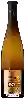
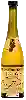
Domaine Pierre AdamCuvée Prestige Muscat d'Ammerschwihr
 White wine



This wine generally goes well with spicy food and sweet desserts.

Food and wine pairings with Cuvée Prestige Muscat d'Ammerschwihr
Pairings that work perfectly with Cuvée Prestige Muscat d'Ammerschwihr


Original food and wine pairings with Cuvée Prestige Muscat d'Ammerschwihr
The Cuvée Prestige Muscat d'Ammerschwihr of Domaine Pierre Adam matches generally quite well with dishes of spicy food or sweet desserts such as recipes of baked falafels or rice with milk.
Details and technical informations about Domaine Pierre Adam's Cuvée Prestige Muscat d'Ammerschwihr.
Discover the grape variety: Grenache
Supple, sun-drenched reds with a deep ruby robe, smooth tannins and moderate acidity, with intense aromas of ripe red fruit (strawberry, raspberry, candied cherry), garrigue (thyme, bay), white pepper, kirsch and soft spice. Ample, warm palate. Absolute pillar of Châteauneuf-du-Pape AOC, Gigondas, Côtes-du-Rhône, Tavel rosé, Priorat DOQ, Rioja (as Garnacha) and star of naturally sweet wines (Banyuls, Maury, Rasteau). Autochthonous Mediterranean variety from Aragon.
Last vintages of this wine
The best vintages of Cuvée Prestige Muscat d'Ammerschwihr from Domaine Pierre Adam are 2015
Informations about the Domaine Pierre Adam
The Domaine Pierre Adam is one of of the world's great estates. It offers 29 wines for sale in the of Alsace to come and discover on site or to buy online.

The wine region of Alsace
Capital of great French aromatic whites, most often dry and single-varietal. Straight, mineral Riesling (lemon, gunflint), opulent, exuberant Gewurztraminer (lychee, rose, spices), round, smoky Pinot Gris, floral, crisp Muscat, supple Pinot Blanc. Fine, fruity Crémants d'Alsace, exceptional sweet Vendanges Tardives and Sélection de Grains Nobles. 15,500 ha at the foot of the Vosges on varied soils, 51 Grands Crus since 1975.
The word of the wine: Passerillage
Concentration of the grape by drying out, under the influence of wind or sun, as opposed to botrytisation, which is the concentration obtained by the development of the "noble rot" for which Botrytis cinerea is responsible. The word is mainly used for sweet wines.