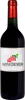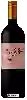
Domaine Pech des AspresCorbières Rouge
 Red wine



In the mouth this red wine is a powerful with a nice balance between acidity and tannins.
This wine generally goes well with beef, veal or pasta.

Taste structure of the Corbières Rouge from the Domaine Pech des Aspres
Light | Bold | |
Smooth | Tannic | |
Dry | Sweet | |
Soft | Acidic |
In the mouth the Corbières Rouge of Domaine Pech des Aspres in the region of Languedoc-Roussillon is a powerful with a nice balance between acidity and tannins.
Wine flavors and olphactive analysis

Food and wine pairings with Corbières Rouge
Pairings that work perfectly with Corbières Rouge



Original food and wine pairings with Corbières Rouge
The Corbières Rouge of Domaine Pech des Aspres matches generally quite well with dishes of beef, pasta or veal such as recipes of tata simone's dumplings, tuscan pastachute or old-fashioned pork roll.
Details and technical informations about Domaine Pech des Aspres's Corbières Rouge.
Discover the grape variety: Aranel
Simple, fresh dry whites with a pale golden robe, a supple palate and preserved acidity. Understated aromas of citrus (lemon), white fruits (apple), white flowers and herbaceous notes. Thirst-quenching profile, best drunk young. Grown in Languedoc-Roussillon and the South-West for IGP wines, used in modern southern blends. Productive French white grape obtained in 1962 at Montpellier by Paul Truel, a cross of Saint-Pierre Doré × Grenache Blanc.
Last vintages of this wine
The best vintages of Corbières Rouge from Domaine Pech des Aspres are 2017, 2014, 2015, 2013 and 2016.
Informations about the Domaine Pech des Aspres
The Domaine Pech des Aspres is one of of the world's greatest estates. It offers 8 wines for sale in the of Languedoc to come and discover on site or to buy online.

The wine region of Languedoc
Sunny, generous southern reds: spicy, peppery Syrah, round, candied Grenache (ripe fruit, garrigue), deep Mourvèdre, structured Carignan, supple Cinsault. From robust Corbières and Minervois to fresher Terrasses du Larzac, via Faugères on schist or taut Pic Saint-Loup. Lively, iodised Picpoul de Pinet whites (oysters), ample Roussanne and Marsanne. 14 sub-appellations, ~10,000 ha in regional AOC.
The wine region of Languedoc-Roussillon
Largest single French vineyard, dominated by sunny, generous reds. Spicy Syrah, candied Grenache (ripe fruit, garrigue), structured Carignan, deep Mourvèdre, supple Cinsault. Stars: structured Corbières, Minervois, Faugères, Saint-Chinian; round Côtes-du-Roussillon. Legendary vins doux naturels: Banyuls and Maury (fortified Grenache) with notes of cocoa, fig, prune.
The word of the wine: Discharge
Action consisting of removing suspended particles (sludge) from the must.