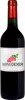
Domaine MilliasMerlot
 Red wine



In the mouth this red wine is a powerful with a nice balance between acidity and tannins.
This wine generally goes well with beef, veal or pasta.

Taste structure of the Merlot from the Domaine Millias
Light | Bold | |
Smooth | Tannic | |
Dry | Sweet | |
Soft | Acidic |
In the mouth the Merlot of Domaine Millias in the region of Languedoc-Roussillon is a powerful with a nice balance between acidity and tannins.
Food and wine pairings with Merlot
Pairings that work perfectly with Merlot



Original food and wine pairings with Merlot
The Merlot of Domaine Millias matches generally quite well with dishes of beef, pasta or veal such as recipes of express veal stew in a pressure cooker, pork sautéed with chinese noodles or veal escalope (piccata milanese).
Details and technical informations about Domaine Millias's Merlot.
Discover the grape variety: Merlot
Round and fleshy reds with a velvety texture, showing aromas of ripe plum, black cherry, cocoa and truffle notes with age. Supple tannins, generous alcohol, indulgent finish. Pillar of Libournais (Pomerol with Pétrus, Saint-Émilion with Cheval Blanc and Ausone) and signature of Super Tuscans, Italian Wales and Washington State. A cross of Cabernet Franc × Magdeleine Noire, France's most planted red variety.
Last vintages of this wine
The best vintages of Merlot from Domaine Millias are 2017
Informations about the Domaine Millias
The Domaine Millias is one of of the world's greatest estates. It offers 10 wines for sale in the of Languedoc-Roussillon to come and discover on site or to buy online.

The wine region of Languedoc-Roussillon
Largest single French vineyard, dominated by sunny, generous reds. Spicy Syrah, candied Grenache (ripe fruit, garrigue), structured Carignan, deep Mourvèdre, supple Cinsault. Stars: structured Corbières, Minervois, Faugères, Saint-Chinian; round Côtes-du-Roussillon. Legendary vins doux naturels: Banyuls and Maury (fortified Grenache) with notes of cocoa, fig, prune.
The word of the wine: Basic wine
Dry, still wine intended for the production of sparkling wines (champagne, crémants, etc.). The basic wines undergo a second fermentation in the bottle for the production of carbon dioxide, and therefore of bubbles.