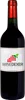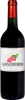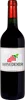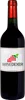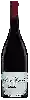
Winery MargerandLes Mouilles Juliénas
 Red wine



In the mouth this red wine is a with a nice freshness.
This wine generally goes well with pork, poultry or veal.
Taste structure of the Les Mouilles Juliénas from the Winery Margerand
Light | Bold | |
Smooth | Tannic | |
Dry | Sweet | |
Soft | Acidic |
In the mouth the Les Mouilles Juliénas of Winery Margerand in the region of Beaujolais is a with a nice freshness.
Food and wine pairings with Les Mouilles Juliénas
Pairings that work perfectly with Les Mouilles Juliénas



Original food and wine pairings with Les Mouilles Juliénas

The Les Mouilles Juliénas of Winery Margerand matches generally quite well with dishes of pasta, veal or pork such as recipes of awara broth, porcini sauce or roast pork orloff.
Details and technical informations about Winery Margerand's Les Mouilles Juliénas.
Discover the grape variety: Ahmeur bou A(h)meur
Its origin would be from North Africa (Algeria/Kabylie) or Spain. It is a variety that was often grown on trellises in front of houses and sometimes its grapes were preserved in brandy to be enjoyed throughout the year. It is found in North Africa, the United States (California), Argentina, Spain and Portugal. In France, it is not well known because of its susceptibility to winter frosts and its late ripening.
Last vintages of this wine
The best vintages of Les Mouilles Juliénas from Winery Margerand are 0
Informations about the Winery Margerand
The Winery Margerand is one of of the world's greatest estates. It offers 4 wines for sale in the of Beaujolais to come and discover on site or to buy online.

The wine region of Beaujolais
Beaujolais is an important wine region in eastern France, famous for its vibrant, Fruity red wines made from Gamay. It is located immediately South of Burgundy, of which it is sometimes considered a Part, although it is in the administrative region of Rhône. The extensive plantings of Gamay in this region make Beaujolais one of the few regions in the world that is so concentrated on a single Grape variety. Pinot Noir is used in small quantities in red and rosé wines, but in the name of regional identity, it is being phased out and will only be allowed until the 2015 harvest.
The word of the wine: Faded
Said of a wine that has lost its brilliance and depth. It can also be used to describe the nose of an old wine that has lost its aromatic freshness.