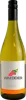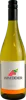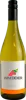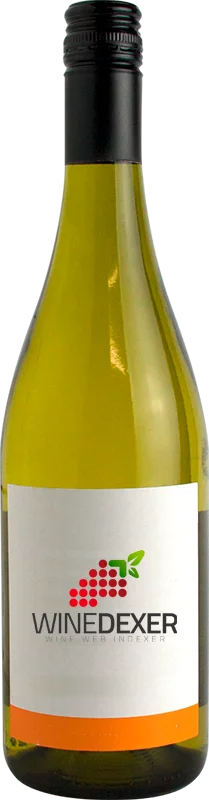
Domaine Les CharmettesL'Instant Blanc
 White wine


This wine generally goes well with beef, lamb or mature and hard cheese.

Food and wine pairings with L'Instant Blanc
Pairings that work perfectly with L'Instant Blanc



Original food and wine pairings with L'Instant Blanc

The L'Instant Blanc of Domaine Les Charmettes matches generally quite well with dishes of beef, lamb or spicy food such as recipes of beef tongue with mushrooms, lamb with vermicelli or shrimp with curry express.
Details and technical informations about Domaine Les Charmettes's L'Instant Blanc.
Discover the grape variety: Red Globe
Table grape with long clusters and spherical red-purple berries, thin skin and crisp flesh, sweet fresh taste. Highly productive with excellent shelf life. One of the most exported table grapes worldwide, grown in California, China, Peru, Chile and Spain, massively distributed globally. Black American table grape variety obtained in 1958 in California by complex crossing for fresh consumption.
Last vintages of this wine

The best vintages of L'Instant Blanc from Domaine Les Charmettes are 2016
Informations about the Domaine Les Charmettes
The Domaine Les Charmettes is one of of the world's greatest estates. It offers 17 wines for sale in the of Côtes de Thau to come and discover on site or to buy online.

The wine region of Côtes de Thau
Languedoc IGP northeast of the Thau lagoon (Hérault, 6 communes, 55,000 hl/year): Picpoul de Pinet and Terret Blanc as flagship whites (75%) — fresh attack, bright citrus and white flower aromatics, pale colour. Chardonnay, Muscat, Sauvignon Blanc and Vermentino as complements. Grenache, Syrah, Mourvèdre and Cinsault in reds and rosés. Lagoonal influence and sea spray, distinctive saline freshness.
The wine region of Pays d'Oc
The single-grape IGP par excellence: modern, accessible, frank and fruity wines, the popular signature of the Midi. Spicy Syrah reds (pepper, blackberry), round Merlot, structured Cabernet, generous Grenache, supple Cinsault. Crisp, tangy rosés. Opulent Chardonnay whites, lively Sauvignon, floral, apricoty Viognier.
The word of the wine: Residual sugars
Sugars not transformed into alcohol and naturally present in the wine. The perception of residual sugars is conditioned by the acidity of the wine. The more acidic the wine is, the less sweet it will seem, given the same amount of sugar.